Resources
Request Information
This form is for students interested in joining the Upward Bound Math & Science Center (UBMS) - Dallas, Local and State programs in grades 9th, 10th, and 11th. Those who are rising 9th (8th grade) can complete the form to be considered first at the beginning of the next school year. UBMS is a FREE federally funded college-prep program focusing on students interested in the STEM field.
Complete Request Information Form
Participant Update Form
Already part of the program? Complete this form with your new information.
Complete the Participant Update Form
Absence Form
Already a part of the Upward Bound Math & Science and need to inform of absence at activities? Click below and complete the required information and submit to the program. Note: If you are attending a program activity and need an absence form for school, email ubms@uta.edu
Absence Form
Fee Waiver Request Form
Eligible Upward Bound students can complete this form for college application fee waiver assistance.
Fee Waiver
Services
College Tours
UBMS visits various North Texas and national university campuses each year. Rising 11th graders visit various universities during the summer, and students attending enrichment trips have the opportunity to visit campuses each year. Some of the schools include the University of North Texas, the University of Texas at Dallas, Southern Methodist University, Texas Wesleyan, and more.
Company Tours
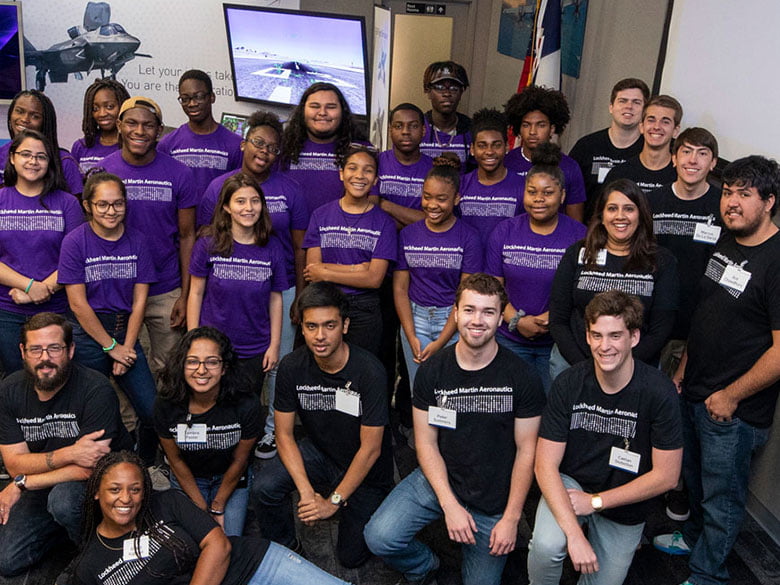
UBMS visits various companies throughout the metroplex that are leaders in the application of mathematics, science, and technology, or providing products and services in their industry. Students explore their interests and learn the benefits of exploring STEM learning and careers. Some examples are Lockheed Martin Corporation, Mouser Corporation, Baylor University Medical, Burlington Northern Santa Fe, and UT Arlington NanoFab & Shimadzu Facilities.
Cultural Activities
Cultural activities encompass a diverse range of rich learning experiences involving science, technology, history, culture, drama, and business and educational venues. Some examples of recent events include Perot Museum, Fort Worth Symphony, Holocaust & Human Rights Museum, Shakespeare in the Park, Texas Rangers, Oklahoma City, Oklahoma Enrichment Trip, Kansas City, Kansas Enrichment Trip, and Denver, Colorado Enrichment Trip.
Job Shadowing / Mentoring
Mentoring occurs throughout the year, on Wednesdays during the summer and specific Saturdays or weekday evenings throughout the academic year. These career professional talks or day-long job shadowing opportunities at leading companies provide opportunities to learn STEM careers and explore a field of interest, receive mentorship, and build career skills.
Parent Information
Parent information sessions are typically held once a semester to provide updates and information or through newsletters, orientations, and during other special activities to encourage and aid in assisting their student for success. Parent Workshops include topics related to college preparation and admissions to financial aid workshops.
Saturday Activities (E3, Saturday Academy, Conferencing Sessions)
These activities occur bi-weekly over the academic year or monthly depending on the student audience. Students receive academic workshops led by program staff or academic and career professionals. Workshops include test preparation (ACT/PSAT/SAT), STEM projects, career and college information. Workshops are designed to provide individualized instruction for students in all grade levels.
Stipend Awards
Students can earn stipends to support them in their commitment to succeed. Stipends amounts are calculated from student participation in program activities. Participation is key to earning the maximum amount. Other incentives can be earned when participating in special events or activities as announced. The more students come…the more they can earn!
Tutorial Activities
Students attend tutoring after school or online to aid in doing better in school, preparing for standardized tests, and receiving advisement for college admissions. Additionally, tutors and program staff provide feedback during the session on how each student can improve in their classes during the school year.
Academic Year
The Academic Year component will focus on academic instruction/tutorials for all participants on the state-mandated assessment tests to ensure the passage of participants by the exit level. The curriculum includes activities designed to further the development of each participant by keeping them engaged and focused on their individual College to Career Portfolio. Each participant will have a progress plan created to help generate academic skills and motivation necessary to prepare program participants to receive a score of proficiency in subjects in preparation for college enrollment.
Summer Residential Component
The Summer Residential component has a balanced curriculum (for entering 9th, 10th, 11th, and 12th graders) of classes in Geometry up to Statistics, Composition, and Biology through advanced science classes with labs, computer science, language and literature, foreign language, research, student success services, and college and career planning. Other areas include individual and group counseling, academic tutorials, career & academic counseling, cultural and social activities, workshops, and experiences with faculty and mentors relating to research in the STEM fields. Also, field trips for MSE career exploration will take place during the academic and summer components relating to the course curriculum, and other activities involve Mentoring and Bridge program.
Most Common Questions
What is the Cost?
It cost participants NOTHING to attend the academic year or summer component program activities. Covered expenses include round-trip transportation to and from home, housing, meals, and field trips. In addition, a weekly stipend is given for student participation in all activities during the summer component and monthly during the academic year. Participants are also eligible for a scholarship if they return to UTA for undergraduate studies following high school graduation.
How is a student eligible for the program?
- Meet the U.S Department of Education requirements of low-income and/or first generation family status.
- Student in 9th, 10th, or 11th grade in the fall of the year of applying.
- Student has demonstrated an aptitude to succeed in courses of math and science.
- Student plans to attend a college or university and pursue a degree in math, science, and/or engineering.
Is it all classwork? Will there be experiences outside of the classroom?
The program offers laboratory and research experiences, computer technology, career development, study skills, and social activities. In addition, participants are exposed to scientific and career related facilities.
In order to apply, please review the specific program that serves your area.