Assistant Professor of Practice Earns National Faculty Licensure Advancement Recognition
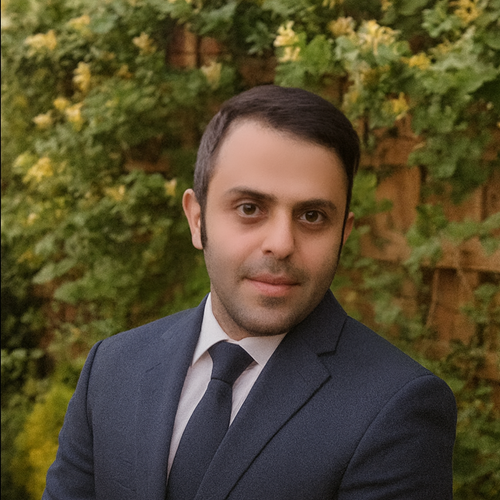
For Dr. Farshid Torabian, landscape architecture is most impactful when teaching, research, and professional practice intersect. This year, he is taking that connection one step further.
Dr. Torabian, Assistant Professor of Practice in Landscape Architecture at The University of Texas at Arlington’s College of Architecture, Planning and Public Affairs (CAPPA), has been selected as one of the Top Five awardees for the 2026 CELA/CLARB Faculty Licensure Advancement Program, a North America-wide initiative supporting landscape architecture faculty pursuing professional licensure.
The recognition marks a meaningful milestone in Torabian’s professional development. It creates an opportunity to bring the knowledge and experience gained through the licensure process back to his students at UTA. He emphasized, “I have always sought to integrate teaching, research, and professional practice, and this new role enables me to formalize that connection even further.”
As part of the program, he is preparing for the four sections of the Landscape Architect Registration Examination (L.A.R.E.), the national examination used in the professional licensure pathway for landscape architects. He plans to take the first two sections in Winter 2026 and complete the remaining sections in 2027, moving toward Texas landscape architecture licensure and CLARB Certification.
In addition, Dr. Torabian receives 18 months of structured support, including assistance with L.A.R.E. examination registrations, CLARB Record guidance, and progress milestones. This comprehensive framework allows him to navigate the licensure process systematically while strengthening his professional expertise.
As he progresses through the program, Dr. Torabian intends to integrate what he learns into his teaching. He aims to focus on central elements of landscape architecture practice, such as site analysis, construction documentation, grading, drainage, stormwater management, and health, safety, and welfare. This strategy will better prepare future landscape architects for their career path after graduation.
“Beyond passing the exams, I want to use this process to strengthen areas of professional practice that I can integrate into my courses and studios,” Torabian said. “I also hope that going through the licensure process as a faculty member will help me better mentor students who are interested in pursuing professional licensure afterward.”
That connection between education and practice is at the heart of Torabian’s approach to his role at UTA. For him, the next stage is clear: prepare for the L.A.R.E., advance toward professional licensure, and turn the experience into knowledge that can help shape the next generation of students.