UTA researcher studies dementia, resilience and immigrant families through intergenerational connections
University of Texas at Arlington School of Social Work associate professor Dr. Ling Xu’s path to social work research began in Shanghai and has grown into a career examining aging, dementia and immigrant family dynamics in the United States.
“My bachelor's degree was in education,” Xu said. “But I realized I wanted to study people, society and how families function, so I changed to sociology. That shift opened the door for me to focus on aging, family dynamics and eventually immigrant populations.”
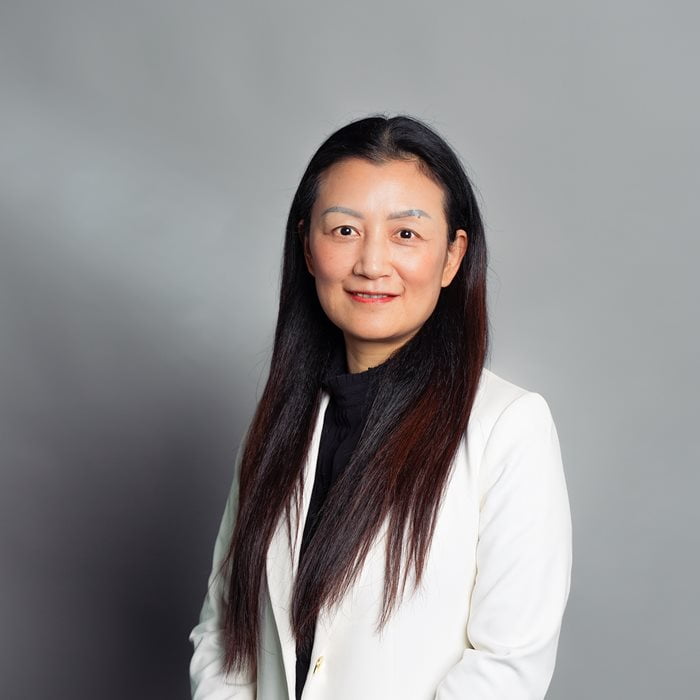
University of Texas at Arlington Associate Professor, Dr. Ling Xu, poses for a photo.
She later discovered a focus that continues to inspire her work. “I was partially raised by my grandmother, so naturally I have a passion for older adults,” Xu said. “When I came to the United States, I noticed family conflicts among generations, especially between grandparents and grandchildren in immigrant families. That started my research.”
At UTA, Xu has led studies on dementia caregiving and intergenerational interventions within immigrant families. Her work addresses gaps in Asian American dementia research.
“We have a big gap in research on Asian American dementia caregiving,” Xu said. “There’s kind of a myth. People think Asian Americans are healthier and don’t need a lot of support. But the Asian population is increasing, they’re getting older, and dementia is becoming more prevalent.”
Xu co-authored a study in 2023 JMIR Research Protocols that proposed to pilot test reminiscence therapy using virtual reality (VR) technology. The project paired Asian American grandparents recently diagnosed with dementia with their grandchildren for six weekly reminiscence-based conversations through VR. Using Google Earth and family photos, they virtually revisited meaningful places and life events.
The study hypothesized that intergenerational reminiscence “is promising in improving the emotional well-being of grandparents” and that “VR will be well accepted by older adults”. Xu noted that the combination of family support, storytelling and immersive technology could provide a culturally responsive model for dementia care among immigrant families.However, due to COVID restrictions at the time, other methods were used to explore the hypothesis.
Based on the protocol, a 2023 study in Behavioral Sciences, led by Xu, reported how this grandparent-grandchild reminiscence program benefit participants. In the structured program, grandchildren talked with their grandparents about major life events through a life review. This pilot reminiscence intervention improved the well-being of older adults while helping younger generations connect with their family history and cultural identity.
“The grandchildren know very little about their grandparents,” Xu said. “Through these conversations, the grandparents pass on a lot of lessons, cultural background and legacy. At the same time, older adults regain resilience and coping strategies from their past.”
Cultural stigma remains a major challenge for Chinese American families, Xu said. “They don’t want to say they have dementia, because in Chinese the word for dementia means ‘crazy’. So people don’t want to acknowledge it. That makes it very difficult for us to reach this population.”
Xu believes public awareness and family engagement are key. “For Asian Americans, family is very important,” she said. “If children realize and understand their grandparents more, it creates an emotional connection that makes older adults happier.”
Her research ultimately seeks to provide interventions that are culturally tailored, strengthen resilience and preserve dignity.
“My research will promote strategies that help older adults maintain cultural independence, dignity and strong family and community connections,” Xu said.