Damone Wisdom
Research Interests
- Former foster youth and the transition to adulthood
- Resilience and protective factors among youth with foster care experience
- How former foster youth define and achieve success in adulthood
- Housing stability and homelessness prevention among former foster youth
- Postsecondary education access, persistence, and outcomes for youth with foster care experience
- Youth voice, lived experience, and participatory approaches in child welfare research
- Court observations
- Qualitative research methodologies, including phenomenology, grounded theory, and Qualitative Interpretive Meta-Synthesis (QIMS)
- Quantitative research methods, including logistic regression and applied social work data analysis
Teaching Interests
- Child welfare and services to children and families
- Human behavior and the social environment
- Social work practice with children, youth, and families
- Social welfare policy and advocacy
- Diverse Populations
- Research methods and evidence-informed social work practice
- Qualitative research methods and applied research design
- Strengths-based and trauma-informed approaches to social work education
- Supporting students through experiential learning, critical reflection, and professional development
- Preparing future social workers to engage in ethical, culturally responsive, and evidence-based practice
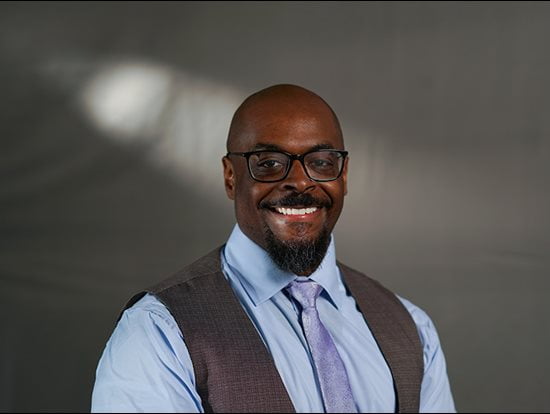
My name is Damone Wisdom, and I am a doctoral candidate in Social Work at the University of Texas at Arlington. As a former foster youth, my lived experience informs both my research and my commitment to advancing child welfare policy and practice. My research focuses on the transition to adulthood for former foster youth, with particular interests in resilience, definitions of success, housing stability, and improving systems of care.
Through my work, I seek to amplify the voices of older former foster youth and explore how they define success in adulthood. I am especially interested in challenging traditional assumptions about resilience and identifying the individual, relational, and systemic factors that foster positive outcomes. Ultimately, my goal is to contribute to evidence-based research that informs policy, strengthens practice, and improves the lives of youth transitioning from foster care.
In addition to my research, I am passionate about teaching and mentoring future social workers. My teaching philosophy is grounded in a strengths-based approach that encourages critical thinking, self-reflection, and the meaningful application of research to practice. I enjoy teaching courses related to child welfare, qualitative research methods, diverse populations, human behavior, social policy, and research methods. My qualitative methodological expertise includes Qualitative Interpretive Meta-Synthesis (QIMS), phenomenology, and grounded theory. My quantitative expertise includes logistic regression and the application of statistical methods to address research questions. I strive to create an engaging and supportive learning environment that equips students to become ethical practitioners, thoughtful researchers, and advocates.