UC transformation reimagines UTA’s ‘living room’
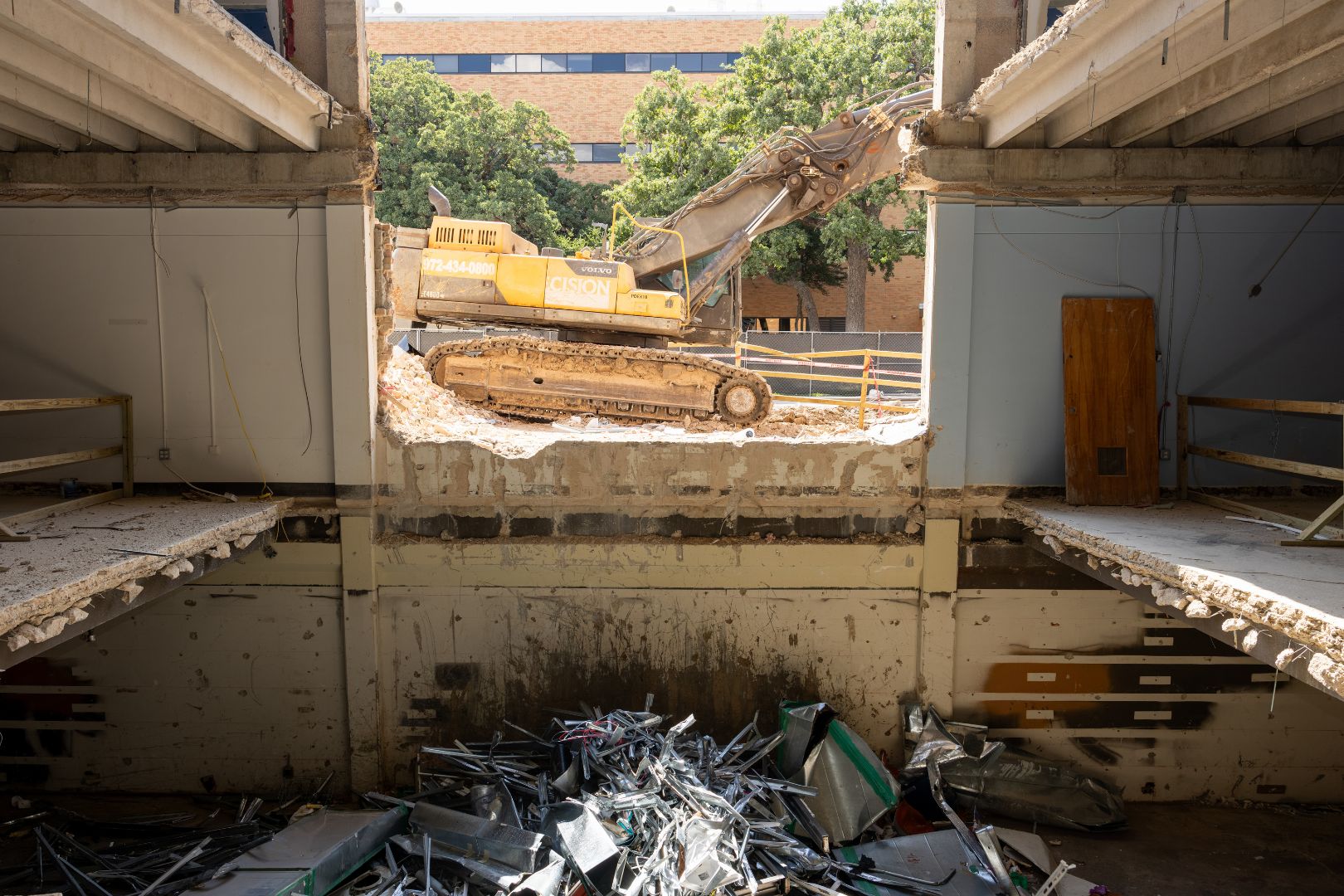
The transformation of the University Center has begun. Christoper Fulton, assistant vice president for the Office of Facilities Management, discusses what’s ahead, how student input helped shape the new design and what the new UC will offer.
What inspired this level of investment in the University Center at this point in UTA's growth?
Fulton: Sometimes a building just tells you when it is time. The original University Center dates back to 1953, and that original building is actually less than a quarter of what you see today. Over the years, we kept adding to it—new wings, dining, entrances, meeting spaces, renovations. It has served UTA incredibly well, but after 70-plus years and a number of additions, you can feel that it was built in pieces. At the same time, UTA is a very different university than it was even 20 years ago. We have more students, more activity and a much different expectation for what a university center should be.
Students also had a very direct say in whether we moved forward. In 2024, students approved the referendum that helped make the project possible. That was really the starting point. Once students said yes, we could begin the much more detailed work of asking: What should this place actually be? I have always thought of the UC as the living room of the University. You may come to UTA for a degree, but this is one of the places where you actually experience the University. You eat here. You meet people here. You study here. You join an organization here. Sometimes you just sit here for an hour between classes. So, for me, the investment is really about making sure the living room fits the university UTA has become—and where we are headed.
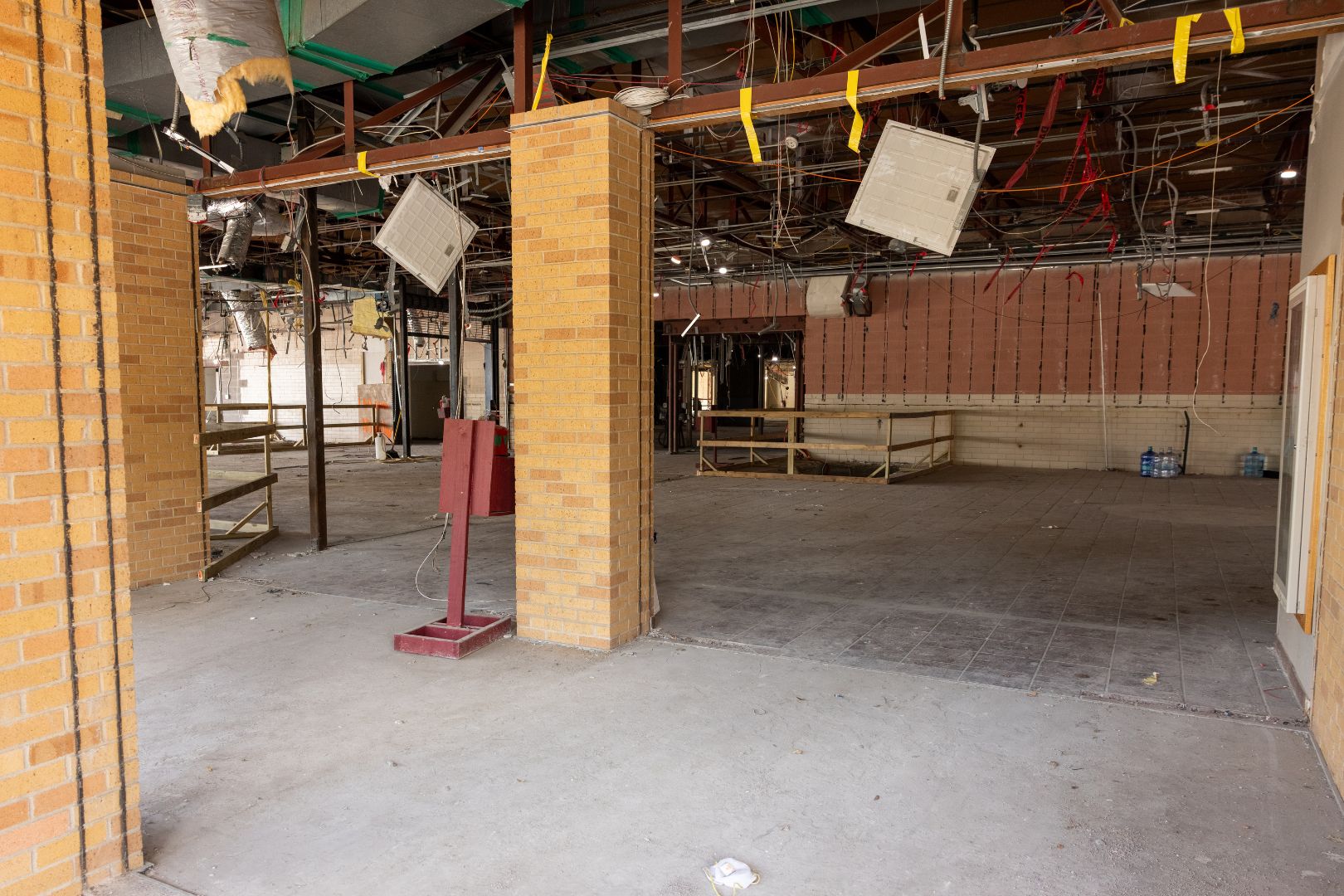
What new spaces or amenities excite you most for students, faculty and visitors to experience once the renovation is complete?
Fulton: For me, it is probably less about one room and more about how the whole place is going to feel. A lot of what makes college memorable happens in between the scheduled stuff. You grab lunch and run into somebody. You sit down to study and end up talking to a friend. You walk past a student organization doing something and stop to see what is going on. A good student center makes those things easier. We are going to have more places to sit—like four times the seating. We will have more places to study, meet and gather. More dining. Better space for student organizations. Better technology. More natural light. And just a much easier building to understand and move through.
The current UC can make you work a little bit to figure out where you are. That is not really anybody's fault—it’s what happens when you keep adding onto a building for 70 years. The new design is much more open and intuitive. And some of those things sound pretty basic—daylight, sight lines, comfortable seating—but they make a huge difference when you spend most of your day on campus. I am also really excited about the stage and mezzanine level overlooking the main gathering area—I think that’s going to be really special. I want students to use the UC because they want to be there, not just because they’re passing through it.
How did student and campus feedback help shape the design?
Fulton: The student voice really came in at two important points. First, students made the decision to move the project forward through the 2024 referendum. Then, once we moved into design and programming, we spent a lot of time asking students what they actually wanted the new UC to be. And we didn’t just send out a survey. We held design and programming workshops. We set up pop-up tables in the UC and in other parts of campus. We met with student organizations. We talked with students one-on-one. There were hundreds and hundreds of conversations throughout that process.
What was useful is that students don’t usually hold back. They don't say, “we need better spatial connectivity”; they say, “I can never find anywhere to sit.” They don't say, “we need flexible programming space”; they say, “our group doesn't have anywhere to meet.” That is exactly the kind of feedback we needed. Our job was to listen to all of that and translate it into a building—more seating, more gathering space, better student organization space, more dining, better technology, more daylight and a building that is simply easier to move through. You can design a beautiful building, but if a student still can't find a place to sit at noon, you probably missed something.
What message would you like to share with the UTA community about what's ahead for the UC?
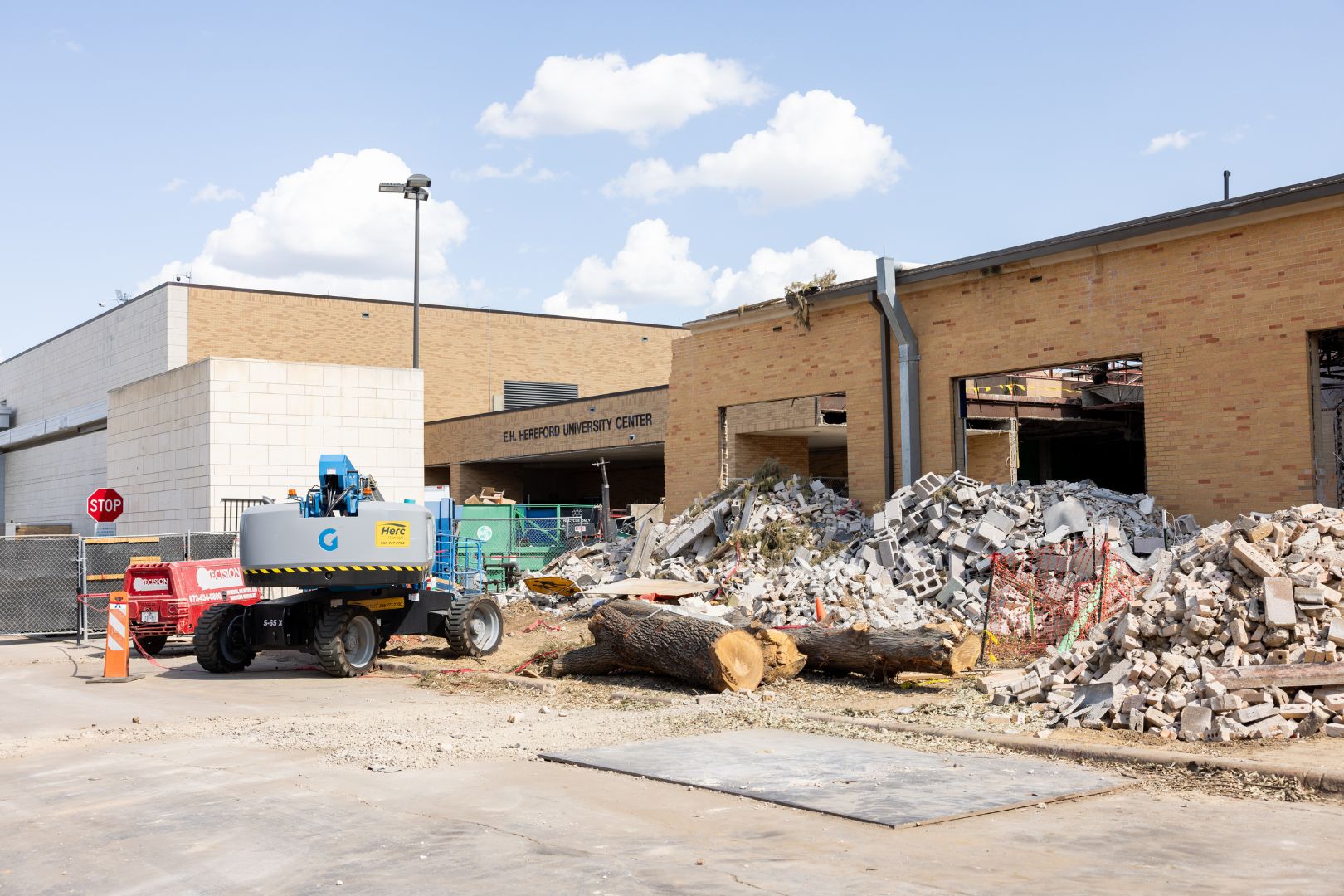
Fulton: Probably two things. First, bear with us a little bit. This is huge project right in the middle of an active campus, so there are going to be some inconveniences along the way. Construction fences will move. Walking routes will change. Dining will be in temporary locations. Some familiar spaces will be unavailable for a while. That is simply the reality of doing major work on a building that sits right in the middle of everything. But the second thing I would say is this: it is so going to be worth the temporary trouble. The new UC is going to serve more people, seat more people and create a tremendous amount of additional space to gather, study, eat or just hang out. And beyond the function of it, I think it’s going to be a really beautiful place inside and out, including the way it connects with and reshapes the surrounding campus.
There are just some really great parts of the building: the lines, the light, the way it opens up to the campus around it, how it will look both during the day and when it is lit at night, and the subtle references to UTA's history woven into the design. I think it is going to become a very special place on our campus. The first UC opened in 1953, and generations of Mavericks have used this building. We now have the opportunity to set it up for the generations that come next. What I also like is that we are not simply wiping the slate clean. There is a lot of UTA history in this building, and the new UC respects that history while allowing the building to work the way students need it to work today.
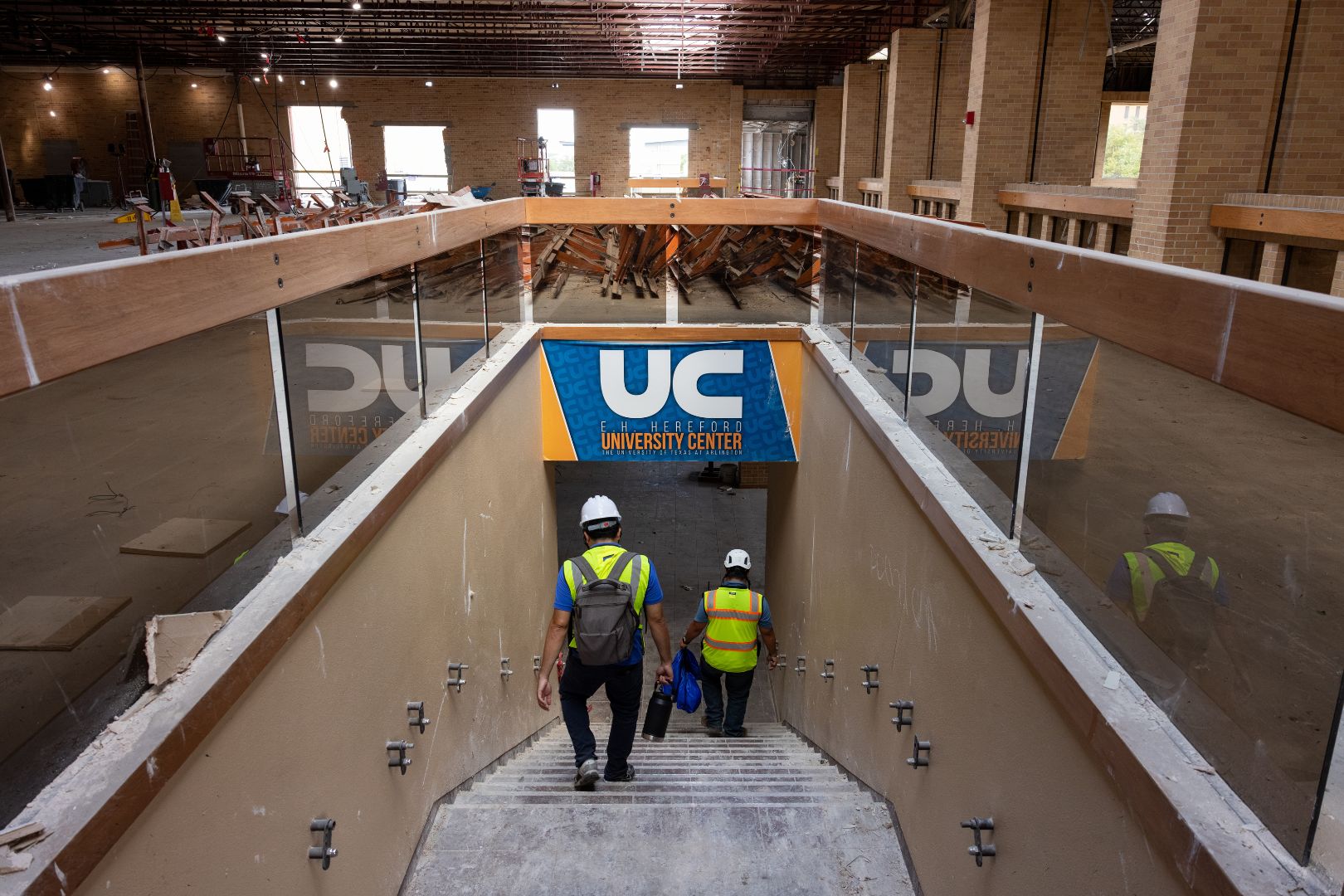
When this is all done, I don't necessarily want people to walk in and just say, wow, this is a nice new building. That would be great, obviously, but that is not really the point. I'd rather walk through there and see it full of students—people eating lunch, studying, meeting with their organizations, watching something on the stage, or just sitting around with friends. I hope students find a spot they like and start thinking of it as their place. And after a few years, maybe it is hard to imagine campus without it. If we get that part right—if the building looks great and, more importantly, people actually use it and want to be there—then I think we will have done what we set out to do.
About The University of Texas at Arlington (UTA)
The University of Texas at Arlington is a growing public research university in the heart of Dallas-Fort Worth. With a student body of over 42,700, UTA is the second-largest institution in the University of Texas System, offering more than 180 undergraduate and graduate degree programs. Recognized as a Carnegie R-1 university, UTA stands among the nation’s top 5% of institutions for research activity. UTA and its 300,000 alumni generate an annual economic impact of $28.8 billion for the state. The University has received the Innovation and Economic Prosperity designation from the Association of Public and Land Grant Universities and has earned recognition for its focus on student access and success, considered key drivers to economic growth and social progress for North Texas and beyond.