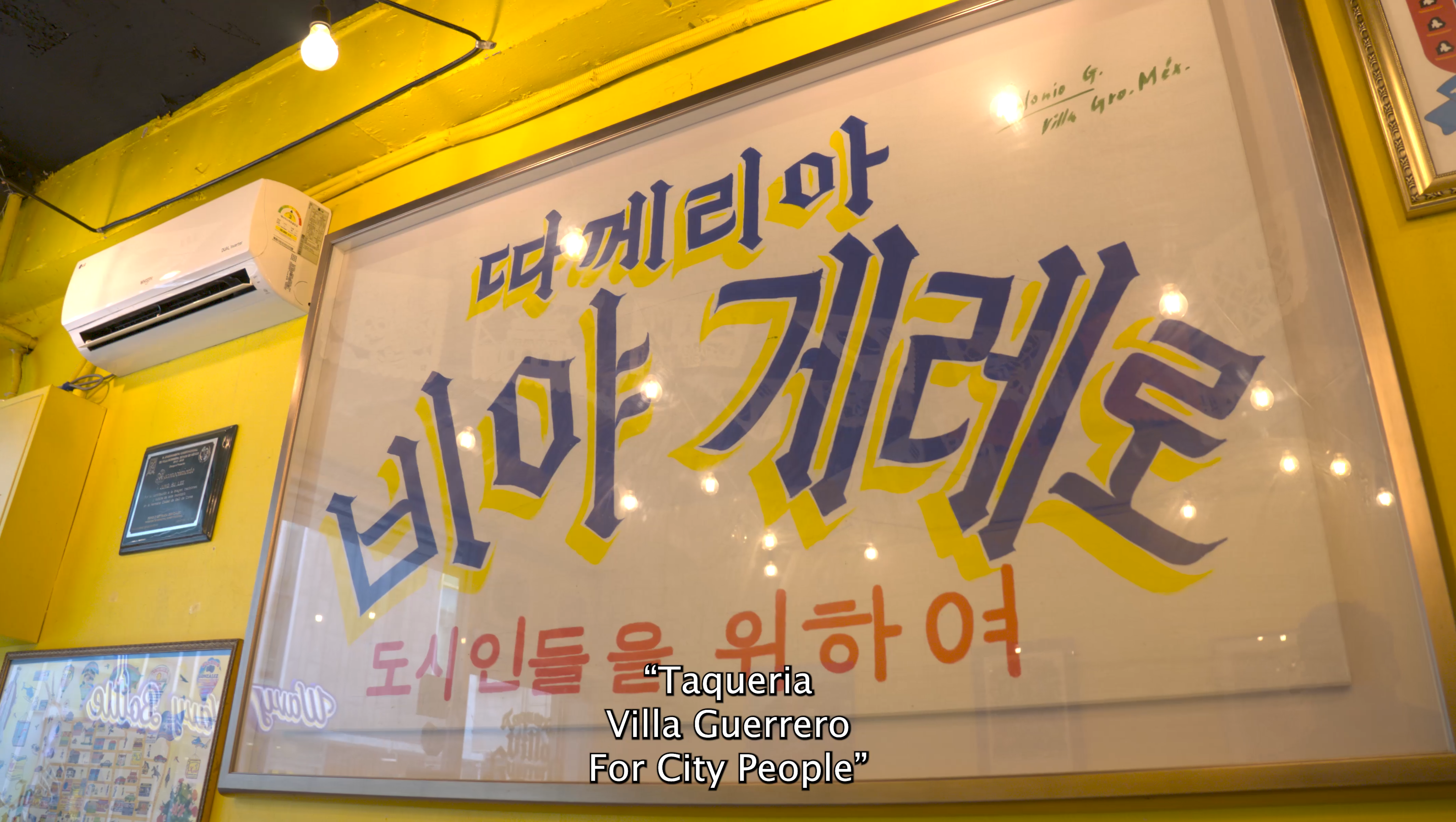
“No filmmaker is an island” - Joseph Balderas
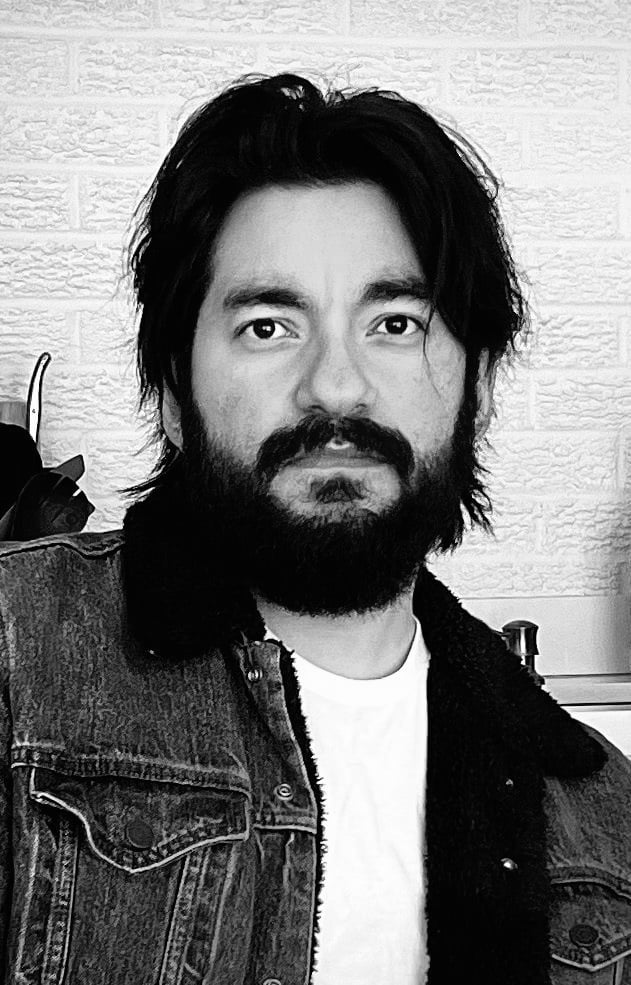
Joseph Balderas’ work explores memory, nostalgia, identity, and family relationships, frequently returning to the landscapes and communities of South Texas as both his subject and backdrop. He holds dual BAs in English/Theatre and Masters in Screenwriting from UT Rio Grande Valley and has completed an MFA in Cinematic Arts at the University of Texas at Arlington (December 2025). His films – including Phantom Pain and the documentary The Non-Biological Mexican – have screened at festivals, including the South Texas International Film Festival, CineSol, and on KERA’s Frame of Mind: Texas Stories series. The Non-Biological Mexican was awarded Best Emerging Filmmaker (Best College Film) at the San Antonio Film Festival and Best Short Documentary at STXIFF.
In this interview with Lilia Kudelia, recorded on November 14th, 2025, on UTA campus, Joseph reflects on his path from the Rio Grande Valley to UTA’s MFA program, his commitment to teaching, and the deeply personal themes shaping his films. He discusses mentorship, filmmaking as community-building, and the role of memory, place, and vulnerability in his creative practice.
Going back to spring 2023 when your MFA journey started, how did you decide to apply to UTA’s Cinematic Arts program?
Joseph: After getting my BA in English and master's in creative writing, I taught at a community college for a bit. After COVID, I rediscovered my passion for filmmaking which has interested me since the age of 16. A 27-year-old at that point, I found out that my local university in Rio Grande Valley had a film/theatre program, and I only needed about two semesters to complete a degree with an emphasis in filmmaking. Seeing the limitations of that program and considering my teaching background, I felt that I could eventually be an asset to the program in my alma mater later on. I researched MFA programs in filmmaking in Texas and eventually applied to UTA. I think I’m a Swiss Army knife of creativity – I’ll take any chance to bolster my educator skills and have a competitive advantage, especially when it’s readily available.
How do you envision your path forward?
Hopefully I get an opportunity to go back to my alma mater and teach there for my community. But I’m open to other scenarios, as long as they align with my passion for education.
What have you noticed about UTA students while teaching here?
I see a lot of myself in them, and I always tell them that they are lucky to have had epiphanies that led them to filmmaking education so early on. I do make it clear to my students that they must build good habits while they are at school, because those habits will come back to haunt them when it’s time to get an actual job. There is art and commerce. I focus on art and let them worry about commerce later... This industry can be sort of a factory of cattle going through, but the standouts are the ones who remain true to the specifics of their lives.

Tell us about projects you’ve developed during the MFA.
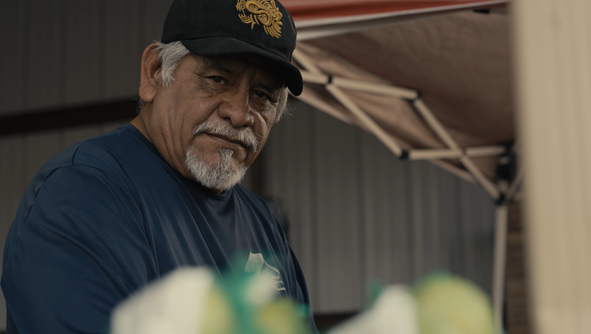
Filmmaking is a way to process life memories that linger with me. Four of my films created during MFA each explore a different relationship. The first short, Phantom Pain (2023) was about romantic relationships and the lingering feelings that happen after it doesn’t work out. My second short, Dad Died Crying (2023) was about my brother. Then I wrote a script for Non-Biological Mexican (2024) about my culture, and my thesis, Adagio (2025) is about the relationship with my father. These films are loosely based on real life – more on the connotative feelings I have for these individuals/things. A lot of people can share these feelings with me through their own experience, and every time that happens, it feels like a mission is accomplished.
Ironically, the universal connection lies in the specifics. The more nuanced you are, the more you can hone in on that feeling we all share. I tell my students to be objective about their situation: whether it’s a breakup or something else, try to step outside it a little. That way, you can use film to process what is happening. You don’t have to be a weirdo who is literally writing as things unfold in front of you but take note of how you felt during that time. That makes your work stronger.

What aspects of filmmaking do you pay most attention to?
No filmmaker is an island. A good director excels at finding people who are good at their jobs. As I get more experience, I start to pay more attention to the actors and the performances they deliver. I also really enjoy editing my work, and during post-production I pay particular attention to sound. If I hear a funny way someone says something, I want to repeat it... I’ll be driving and hear a car pass by and think, “What was that sound? What could I use that car sound for in another context?” I would love to be the one who teaches sound design for film one day. Meanwhile, I try not to listen to music too loud, so I can preserve my hearing and make it last longer :)
Does your thesis film, Adagio (2025) have original music?
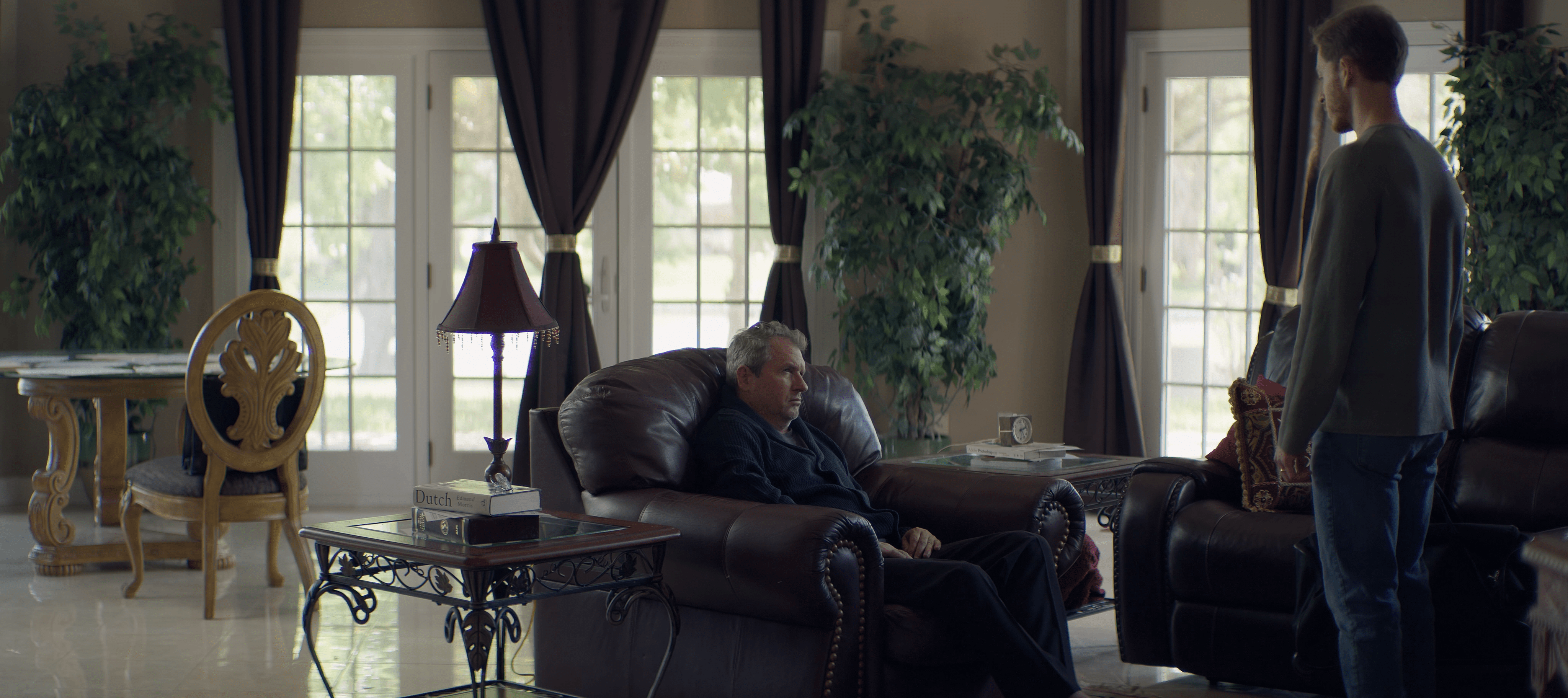
For the first time I have an original score in my filmography. It was a collaboration among three artists. I wanted one specific piece, “Cattadori” from Julianna Loera, the main theme from Jordan Green, and then the overall musical score from Kristian Aguilar.

What are the most impactful things you’ve learnt from your cinematic arts professors at UTA?
UTA faculty are not afraid to push you – past the point of frustration sometimes, in a way that makes you grow. They put you into uncomfortable positions or challenge your ego, and they will make you humble, and make you grow in very nurturing ways. My faculty here were great at asking what the student’s needs are and doing what they can to help one meet those needs. I remember my first conversation with Professor Changhee Chun: he asked what I wanted to do after graduation, and he did everything he could to help make that happen. I co-wote a book chapter with him, presented at the BEA conference in Las Vegas and managed Maverick Productions at UTA for a semester. When I put together my CV for job applications, I realized that without him it would be very bare.
What is your approach to financing projects?
I encourage my students to write within their own means. If you have $100, make a $100 film. I self-funded much of my work and saved pretty much every nickel from salaries for it. At UTA, I am grateful for the College of Liberal Arts support each year – a stipend to facilitate our creative endeavors and to live. I always say “network, network, network” not only to meet people but also to cash in favors. I’ve been on many sets where I work for free, helping a friend out, knowing it’s not really “for free”—it’s a coupon for them to help me when the time comes.
Your next project?
It is somewhat similar to Black Swan movie – an introspective work about an artist putting everything on the line for one piece of art and what we as creators are “exposing” in such way. My films are not about bad people; they are about well-rounded people who have bad moments. When I step back, I question whether I am doing anything wrong for my characters. At what point does it become too perverse – too exploitative of real life? I have my cast of two actors already and am fine-tuning the script for this new film.

You mentioned filming in the Rio Grande Valley for your last film. Do you have locations or spaces that constantly pull you in?
No one would necessarily know that all my films are set in the Valley except me, and that’s enough. The mission behind getting this education was to go back eventually and support my community. It took me leaving to understand that home is irreplaceable – the people, the culture, everything. I want to pay homage to that. The Valley is a kind of a character in my documentary. Every film is like a scrapbook. When I’m old and gray, I can look back and smile because I shot those in my home.
Does filmmaking teach leadership?
Without my team, I couldn’t have done anything. We just did a preview screening of Adagio for the first time. Watching the credits roll and seeing 40–50 names of people who had some hand in the project was incredible. That’s what I tell my students: make your friends now, because they will help you in the future.