Box 19162
Arlington, TX 76019-0162
The University’s world-class faculty make an impact through their scholarship, their teaching, and their leadership every day.
New Fellows
Rasika Dias
Royal Society of Chemistry
Endel Iarve
American Society of Composites
Kayunta Johnson-Winters
American Society for Biochemistry and Molecular Biology
Elizabeth Merwin
National Academies of Practice
Kytai T. Nguyen
National Academy of Inventors
Kimberly Siniscalchi
National Academies of Practice
Rachel Voth Schrag
Society for Social Work and Research
Notable Honors
Daniel Armstrong
2025 Pittcon Analytical Chemistry Award
Colin Cameron
Senior Member, National Academy of Inventors
Purnendu “Sandy” Dasgupta
Philip J. Wyatt Award in Analytical Chemistry, American Chemical Society
Rasika Dias
Senior Member, National Academy of Inventors
Ben Jones
Early Career Researcher Instrumentation Award, International Committee for Future Accelerators
Karen J. Magruder
Distance Learning/Teaching Award (Bronze), U.S. Distance Learning Association
Taner R. Özdil
President, Council of Educators in Landscape Architecture
Panos Shiakolas
Senior Member, National Academy of Inventors
Yuze “Alice” Sun
Academy of Distinguished Researchers, UTA
Jennifer Woo
Nursing Faculty Excellence Award, Texas Nurses Foundation
Baohong Yuan
Senior Member, National Academy of Inventors
This year, the International Medical Informatics Association (IMIA) created the Marion Ball Leadership Award to recognize individuals who demonstrate exceptional vision and impact in health informatics. Dr. Ball, the Raj and Indra Nooyi Endowed Distinguished Chair in Bioengineering, received the inaugural honor.
“I’m humbled and grateful to have IMIA establish this award in my name. Health informatics is a field that I have dedicated my life to, and it’s more important than ever to bring technology from theory into practice.”
— Marion Ball
Recent Publications
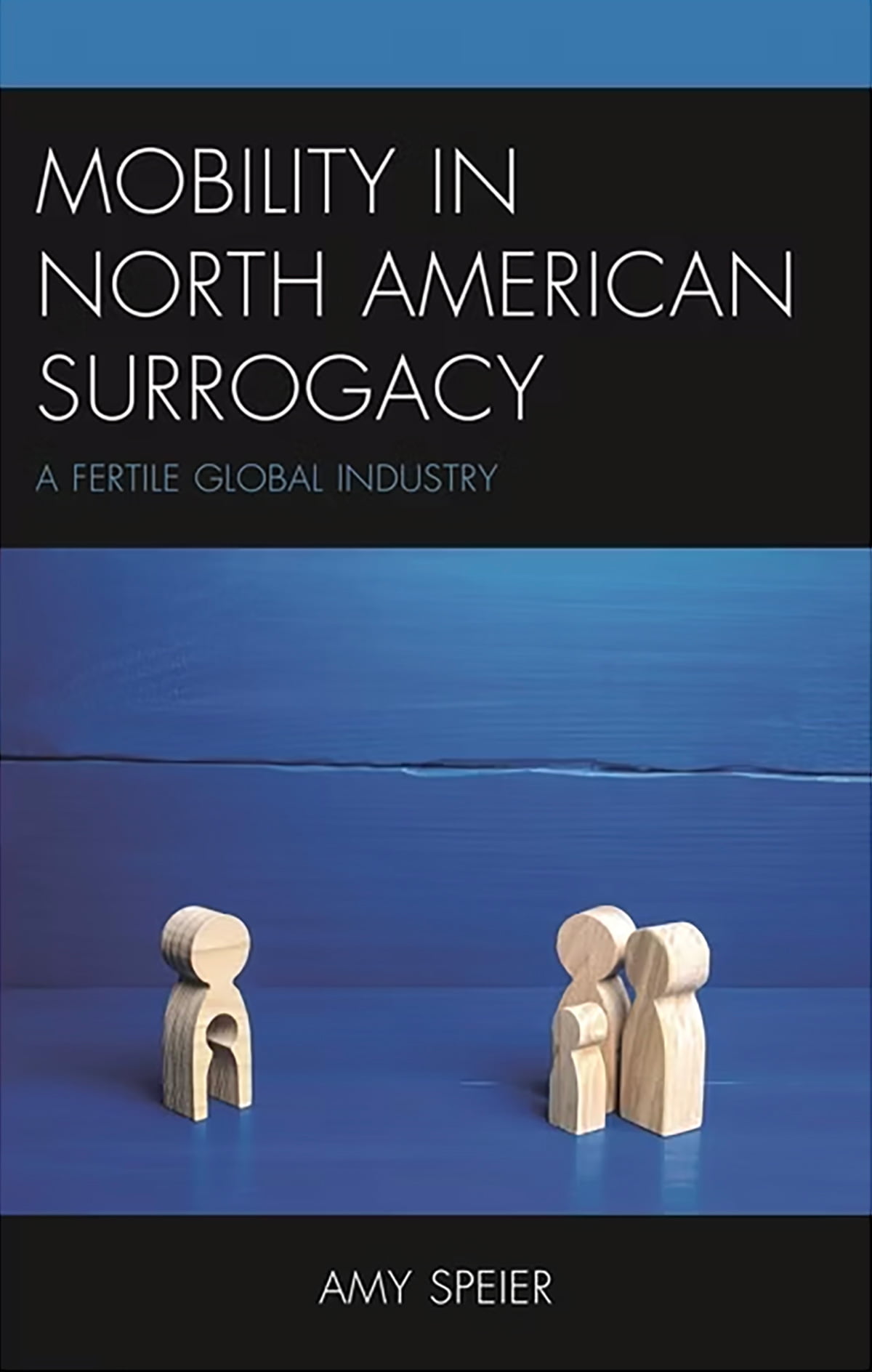
Mobility in North American Surrogacy: A Fertile Global Industry
by Amy Speier,
Associate Professor of Sociology and Anthropology
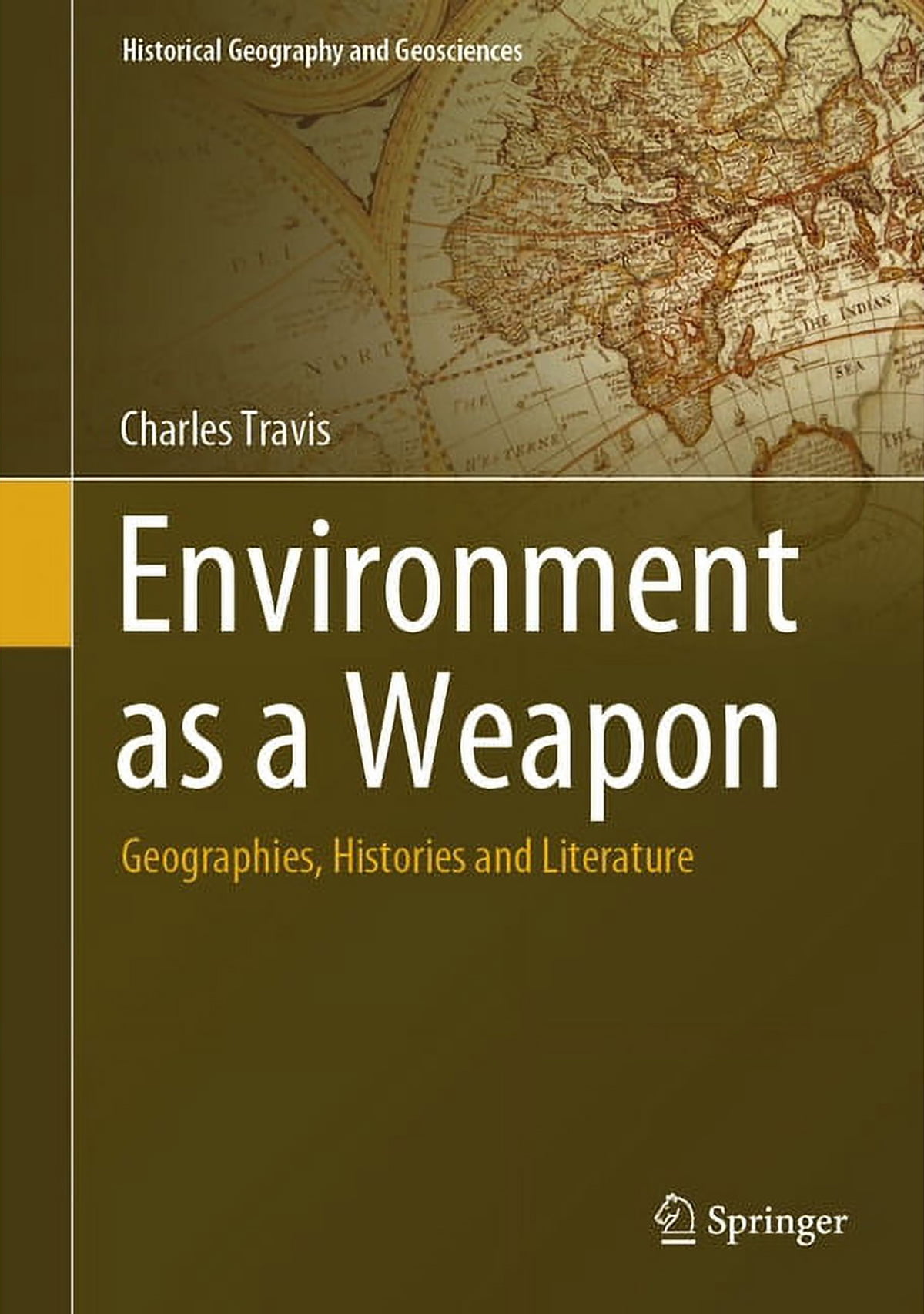
Environment as a Weapon: Geographies, Histories, and Literature
by Charles Travis,
Associate Professor of Earth and Environmental Sciences
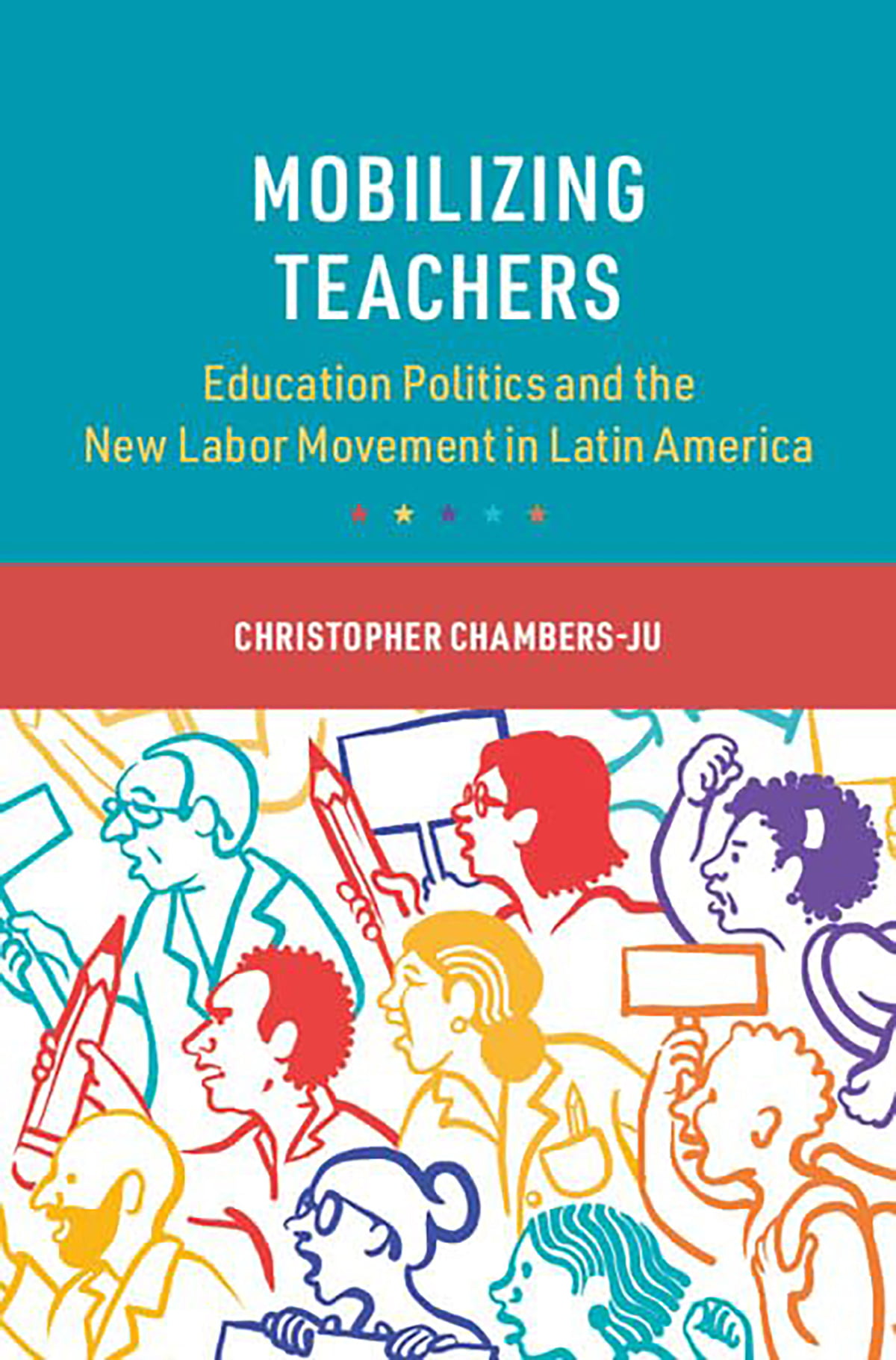
Mobilizing Teachers: Education Politics and the New Labor Movement in Latin America
by Christopher Chambers-Ju,
Assistant Professor of Political Science
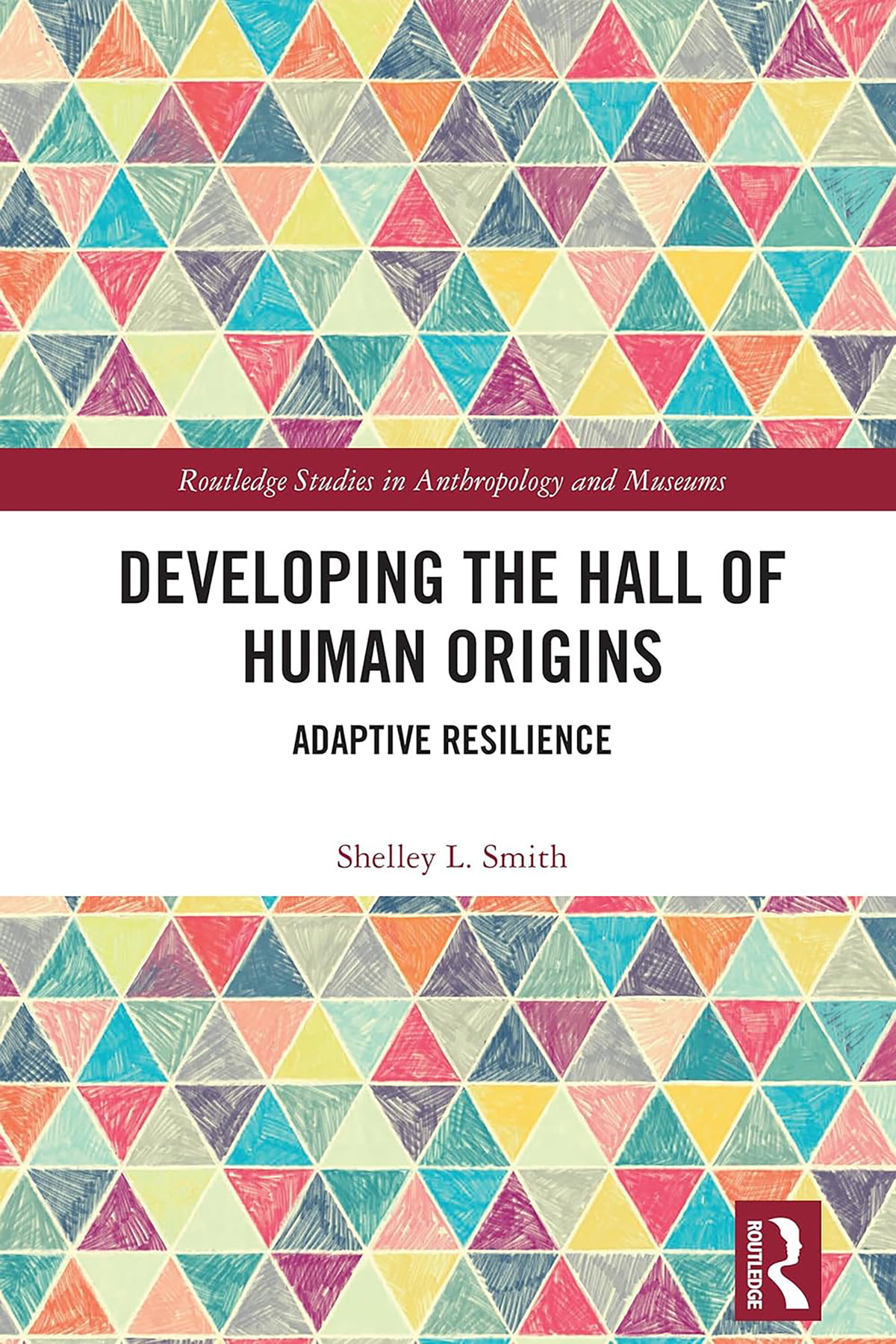
Developing the Hall of Human Origins: Adaptive Resilience
by Shelley Smith,
Emeritus Professor of Anthropology
National Experts

“When you realize that you have a person with a disability, you have an opportunity, not a problem.”
—Venu Varanasi in “How Scientists With Disabilities are Making Research Labs and Fieldwork More Accessible” (Jan. 18, 2025)

“We did ourselves a disservice in the 1980s and 1990s with what’s known as ‘The Hollywood Heart Attack.’ That’s unfortunately not real life. It’s not always intense. Sometimes it’s just discomfort that doesn’t feel quite right, so people tend to wait to see a doctor. The longer you wait, the more likely you are to have negative consequences after your heart attack.”
—Ann Eckhardt in “How Movies Got Heart Attacks All Wrong—And What You Should Really Watch For”
(July 15, 2025)

“Due to the confidentiality of the casework, the materials being researched can only be evaluated in the classroom. Many of the students are showing up two hours before class and staying late to make sure they are not missing anything!”
—Pat Eddings in “Police, University Partner on Innovative Cold Case Program” (Sept. 29, 2025)
“Finfluencers can provide powerful coordination mechanisms among followers, potentially resulting in wild swings in stock prices without any new fundamental information. This can create market volatility—that is, sharp increases or decreases in stock prices followed by reversals, which can turn away long-term investors and institutional investors.”
—Chandrani Chatterjee’s article, “How ‘Finfluencers’ Can Create Risk for Your Company” (Jan. 24, 2025)

“By 2023, my team at The University of Texas at Arlington had learned that about 14% of bodies used for medical teaching in Texas originated as unclaimed remains, and the publication of our findings in JAMA sparked an NBC investigation that unmasked the University of North Texas as the primary driver of those trends.”
—Eli Shupe’s op-ed, “How Human Bodies End Up On Dissection Tables Without Consent” (Jan. 22, 2025)

“Just like it is difficult to heal a human patient with stage-four cancer, it’d be too late to repair a bridge when there are a lot of defects.”
—Suyum Ham in “Are Bridges Near You Safe? This MRI-Like Scan May Prevent Disaster” (Aug. 26, 2025)

“We often lack the historical pollution data needed to understand the links between environmental contamination and long-term health effects, such as cancer, asthma, cognitive disorders, and premature birth. By leveraging museum specimens, we can reconstruct environmental conditions from over a century ago and assess how pollution has impacted different communities.”
—Shane DuBay in “Museum Specimens Preserve Traces of Pollution From Centuries Ago” (June 6, 2025)

“If you can imagine it, there is probably a live stream about it. It is a new area for research, but it’s not a new area; millions of people watch nature live streams.”
—Rebecca Mauldin in “‘I Was Watching Osprey for Five Hours a Day’: How the World Fell in Love With Nature Live Streams” (May 19, 2025)

“[Stephen] King writes about the world in which he is inhabiting in a very direct way, in a way that even though it’s horror, even though it’s fantastical, it’s very specifically about the place that he’s in.”
—Daniel T. Kasper in “How Stephen King Made Maine America’s Haunted Mirror” (Oct. 28, 2025)

“These frauds are growing into a more organized form. They are hiring individuals from all over the world, meaning that they can target all different kinds of victims. Everybody is using dating apps and social media. There are all these opportunities that give fraudsters fertile ground.”
—Fangzhou Wang in “The Loneliness Epidemic is a Security Crisis” (Feb. 13, 2025)
You Might Also Like

Postdoc Trio Chosen for Fellowship
Three UTA postdoctoral students are playing important roles in a new initiative designed to prepare researchers for impactful careers.

rising to the occasion
Just a year after arriving on campus, the first complete RISE 100 research group is already making an impact on both the University and the wider community.

Ricardo Sanchez-Murillo
Ricardo Sánchez-Murillo, earth and environmental sciences associate professor, was inspired by the natural landscapes of his home country to pursue science. His recent research explores how extreme weather events impact urban environments.