
Undergraduate
Bachelor of Science in Interior Design
Shape the spaces where people live, work, and connect. The Interior Design program blends creativity with technical skills, preparing students to design environments that enhance the human experience while supporting health, well-being, and sustainability.
GET MORE INFORMATION
Loading...
CIP CODE 50.0408.00
![]()
![]()
![]()
How to Apply
Prospective students applying to the Bachelor of Science in Interior Design program must first apply to UTA through the Office of Admissions.
Scholarships
UTA offers merit-based scholarships and financial aid for incoming students who meet eligibility criteria.
Transfer Students
UTA welcomes transfer students to start in fall, spring, or summer terms through guaranteed admissions or a holistic admissions review process.
International Students
We welcome international and non-U.S. students and help them navigate the process of applying and enrolling at UTA as international students.
UTA Main Campus
122 Credit Hours
College of Architecture, Planning and Public Affairs
Program Overview
Learn what to expect and what the program offers.
The Bachelor of Science in Interior Design is a four-year program that combines design theory, history, and practice. After completing foundational coursework, students progress into advanced studios focused on spatial design, materials, lighting, and human-centered environments. The curriculum emphasizes creativity, technical skills, and problem-solving in the context of health, safety, and functionality.
This undergraduate degree is a viable pathway to professional roles in residential and commercial interior design, environmental and sustainable design, exhibit and furniture design, kitchen and bath design, and lighting consulting.
Students benefit from access to a vibrant design community in the Dallas-Fort Worth region with opportunities for internships and professional engagement. UTA’s industry-aligned curriculum and student achievements also provide a strong foundation for pursuing interior design careers.
Visit the catalog page for more information.
The Bachelor of Science in Interior Design at UTA is accredited by the Council for Interior Design Accreditation (CIDA) and National Association of Schools of Art and Design (NASAD) and meets the educational requirement for eligibility to sit for the National Council for Interior Design Qualification Examination (NCIDQ Exam).
Learn more about these requirements.
Explore departmental scholarship opportunities for undergraduate and graduate students.
Career Resources
UTA’s Career Development Center connects students with career resources, employer networks, and hands-on opportunities for success during and after college.
Engaged, Supportive Faculty
Interior Design faculty have diverse professional backgrounds, experiences, and specializations that translate into a range of studio projects for students. We engage with the DFW architecture and design community to participate in discussions, events, and activities that enhance the UTA experience.

Living and Learning in the DFW Metroplex
The DFW Metroplex is known for its diverse culture, active job market, vibrant restaurant and cultural scene, and extensive outdoor recreation activities. With 24 Fortune 500 companies including Lockheed Martin, Bell Textron, Alcon, McKesson, AT&T, and CBRE headquartered here, UTA students have access to extensive opportunities for internships and jobs.

Carnegie R-1 Institution for Research
UTA students gain hands-on research experience in a dynamic intellectual community. With innovative facilities, renowned faculty, and a growing $155M research portfolio, UTA tackles global challenges while enriching student learning at both the undergraduate and graduate levels.
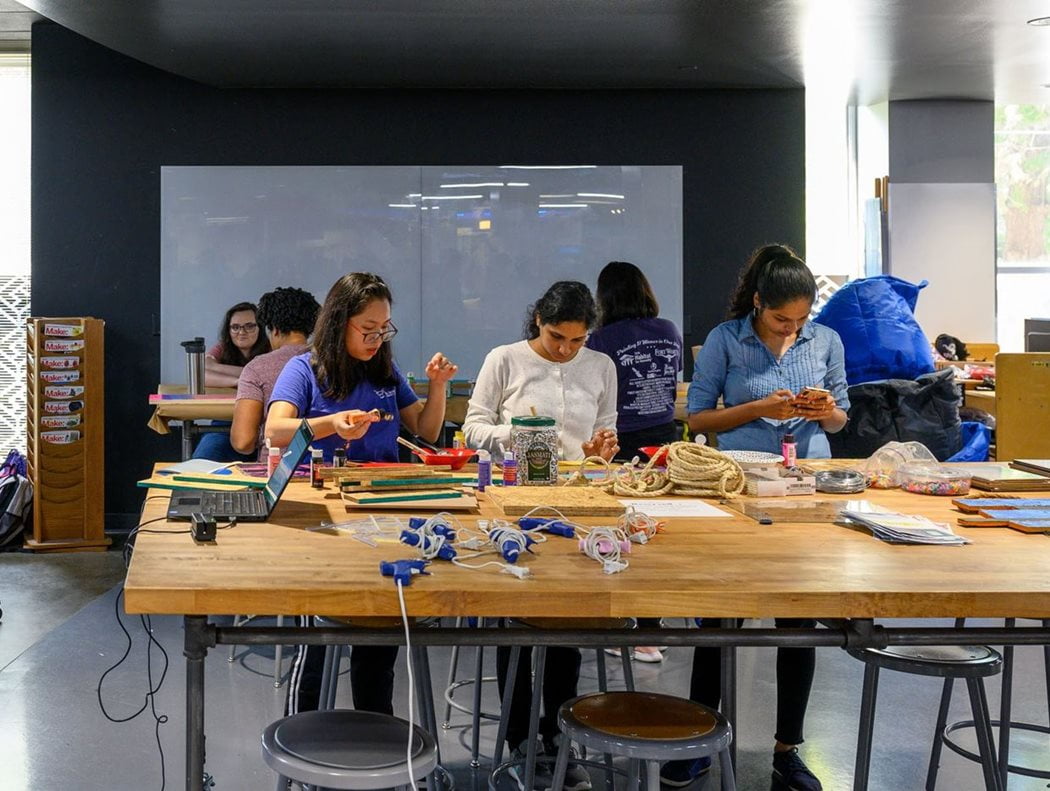
Makerspaces Across Campus
UTA’s Central Library FabLab boasts 8,000 square feet of makerspace featuring 3D printers, laser cutters, screen printers, kilns, sewing machines, and much more for learners from any discipline or experience level. The FabLab is taking the lead in ensuring students gain highly sought transdisciplinary skills.