IRB Mentor Fellowship

A collaboration between the Center for Research on Teaching and Learning Excellence (CRTLE) and the Office of Regulatory Services (ORS)

About the IRB Mentor Fellowship Program

The IRB Mentor Fellowship Program is a joint initiative between the Center for Research on Teaching and Learning Excellence (CRTLE) and the Office of Regulatory Services (ORS) designed to strengthen faculty‑student mentoring around human subjects research and the Institutional Review Board (IRB) process.

IRB Mentor Fellows are experienced faculty who are familiar with the IRB process who support students as they learn to design ethical research studies and navigate IRB requirements with clarity, confidence, and care. Rather than positioning IRB review as a hurdle to overcome, the fellowship emphasizes mentoring as teaching: helping students understand the “why” behind ethical research practices and develop strong, well‑reasoned protocols that are in good shape for IRB review.

This initiative reflects a shared commitment to:

  • ethical and responsible research practices,
  • Solid, well-prepared, well-written proposals that are complete
  • research‑informed teaching and mentoring, and
  • student success across disciplines.

Role of the IRB Mentor Fellows

IRB Mentor Fellows serve as faculty mentors and guides, working collaboratively with CRTLE and ORS to support students through the IRB process. Their work focuses on building student capacity and research confidence, not just completing forms.

Through individual consultations, workshops, and outreach, fellows help students:

  • understand IRB expectations and terminology,
  • articulate research questions clearly,
  • align methods with ethical considerations, and
  • submit stronger, more complete IRB applications.

Fellows also contribute to campus‑wide learning by sharing insights, mentoring strategies, and reflections that help improve how faculty support student research across the university.

Why an IRB Mentoring Model Matters

Many students encounter the IRB process for the first time during graduate study, often while simultaneously learning research design, methodology, and disciplinary norms. Without mentoring, the process can feel opaque, intimidating, or purely bureaucratic.

The IRB Mentor Fellowship Program reframes IRB engagement as:

  • a learning opportunity,
  • a space for ethical reasoning, and
  • a key part of developing scholarly identity.

By centering mentoring, the program supports students in becoming thoughtful, ethical researchers while reducing confusion and frustration.

Key Expectations

Students working together at an audio mixing console during a hands-on class session.

Collaborative Engagement

Partner with CRTLE and ORS to model ethical mentoring practices and responsible conduct of research as well as provide guided coaching and targeted feedback to students on IRB submissions. Contribute to a university-wide culture of research integrity and student success.

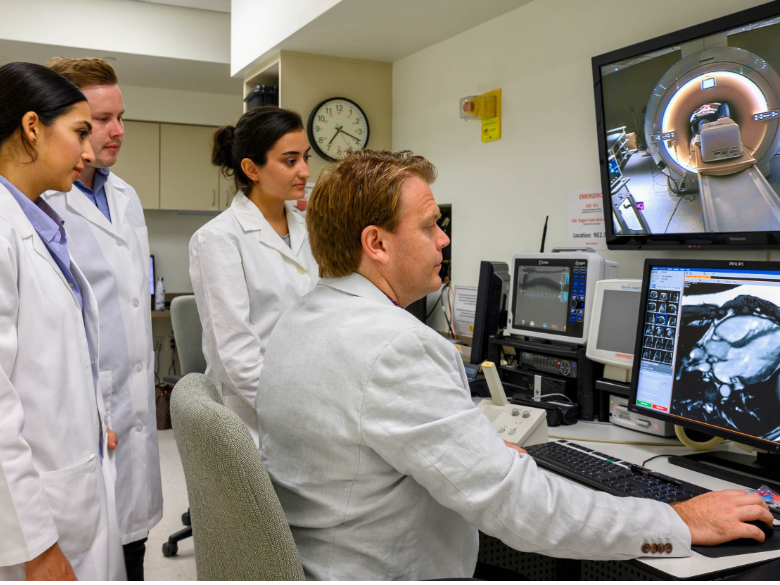
A group of individuals in lab coats observing a medical imaging workstation displaying MRI scans.

Mentorship Training & Support

Receive structured training and resources in mentoring best practices, virtual mentoring, and IRB procedures from CRTLE and ORS to effectively guide students through the IRB process. Attending the IRB training at the beginning of the fellowship (scheduled around the availability of IRB Mentor Fellows and IRB staff).

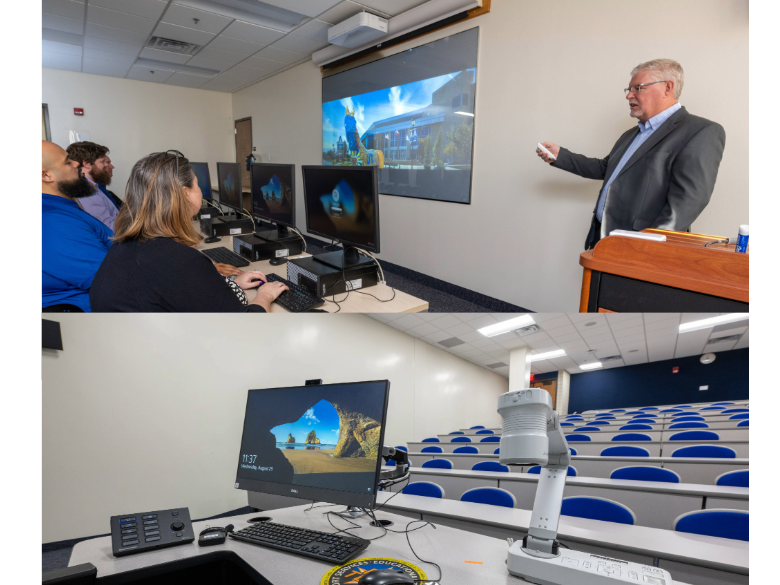
A classroom scene showing an instructor presenting at the front while participants work at computer stations, alongside a view of an empty lecture hall with instructional technology at the podium.

Office Hours & Technology-Enhanced Mentoring

Maintain and communicate flexible office hours for student consultations (in-person and virtual). Explore digital tools and strategies (e.g., Teams, Bookings, shared documents, virtual whiteboards) to support individualized, accessible, and efficient student mentoring experiences. Learn to use the UTA’s Microsoft Bookings tool to simplify scheduling student consultation appointment, manage availability, and minimize back-and-forth communication. Using the Bookings tool and holding office hours are required activities to receive the stipend. Read here for more on the more recent Bookings with Me tools. Read here for more on the Microsoft Bookings tool and how to request setup.

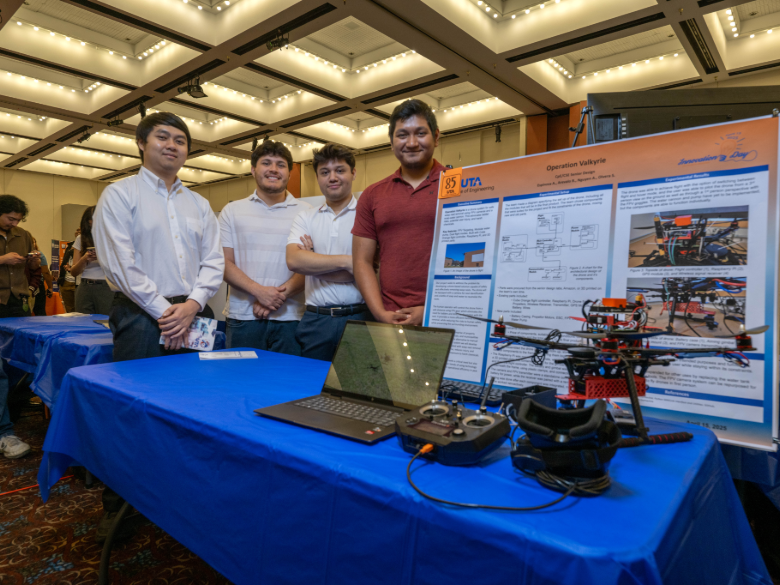
A group standing beside a project display featuring a drone, laptop, and research poster at an academic showcase event.

Targeted Outreach

Conduct virtual-only or blended/hybrid workshops and training sessions tailored for students on the IRB and preparation of high-quality protocol applications. Conducting at least one workshop during the semester is a required activity to receive the stipend. CRTLE can assist with technology and room bookings for these outreach events as well as support broad marketing and promotion of events.

Students seated at desks in a classroom raise their hands while reading from open books.

Feedback

IRB Mentor Fellows will contribute one blog post (~700-1000 words) per term for the Pedagogy Next blog/website. This can also include an optional video. Contributing at least one blog post during the semester is a required activity to receive the stipend.

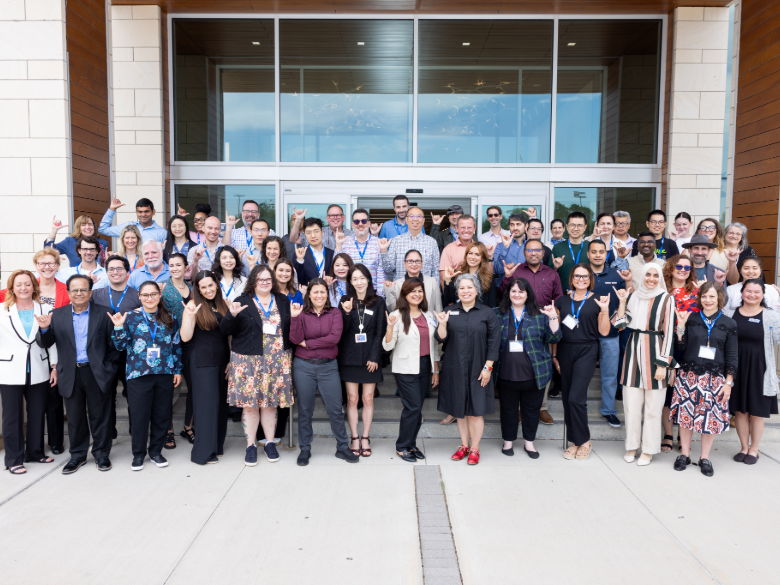
A large group of individuals stands together outside a building for a professional development event group photo.

Professional Development

Gain recognition as an IRB Mentor Fellow and build skills in strategic partnerships, virtual engagement, advising, design and implementation of professional development, and the facilitation of research ethics processes and conversations.

Mentoring Graduate Students Through the IRB Process: Practical Tips for Faculty

Faculty play a critical role in shaping how students experience the IRB process. The following mentoring‑focused practices reflect principles emphasized in the IRB Mentor Fellowship Program and can be applied across disciplines.

Help students articulate why their research matters and who it affects before diving into forms. Framing IRB review as protection for participants, and for the researcher, builds ethical awareness early.

Remind students that confusion is expected as the process is likely new. IRB applications are often iterative, and revisions are part of responsible research and not a sign of failure.

Advise students to write protocols as if explaining their study to an informed but non‑specialist reader. Clear, plain language often strengthens both ethics and methodology.

Share how you think through issues such as risk, confidentiality, recruitment, and power dynamics. Making your reasoning visible helps students develop their own ethical judgment.

Encourage students to draft IRB materials early and revisit them after feedback. Reflection helps students see how ethical considerations evolve with research design.

Encourage students to seek guidance from IRB mentors, ORS resources, or faculty advisors before small issues become larger obstacles.

Meet the Spring 2026 IRB Mentor Fellows

We are pleased to announce the newly selected IRB Mentor Fellows for the Spring 2026 semester! These faculty mentors were selected for their demonstrated experience with human subject research, commitment to ethical conduct of research, and dedication to mentoring students through the research process.


Dr. Chueh-Lung (Laura) Hwang

Assistant Professor

Kinesiology

UTA FACULTY PROFILE

DR. CHUEH-LUNG HWANG HEADSHOT

About

Dr. Chueh‑Lung “Laura” Hwang is an Assistant Professor of Kinesiology and a member of the Institutional Review Board (IRB) at UTA. She has more than 15 years of experience in conducting human subject research and has authored over 40 peer‑reviewed publications regarding cardiovascular responses to alcohol use, exercise, and diet. Dr. Hwang earned her BS and MS in Physical Therapy from the National Taiwan University and completed her PhD in Exercise Physiology at the University of Florida and postdoctoral training in Vascular Biology at the University of Illinois Chicago.

Since joining UTA in 2022, Dr. Hwang has led a wide range of multi‑disciplinary human research studies and actively collaborates with faculty and students across Kinesiology, Biology, Engineering, Social Work, Psychology, and Nursing. As the PI and director of the Cardiovascular Laboratory of Health, she oversees all aspects of human subject research, including study design, participant recruitment, informed consent, risk–benefit assessment, data management, and ongoing IRB compliance. Dr. Hwang is passionate about mentoring students and helping them grow as researchers. She involves both undergraduate and graduate students in her IRB‑approved studies, offering hands‑on learning, step‑by‑step guidance, and opportunities for professional development. She keeps an open‑door approach, focuses on student well‑being, and provides individual support for navigating the IRB process, including training students on protocol preparation and submission in Mentis.

As an active IRB member, Dr. Hwang reviews the risks and benefits of human research studies across campus and is dedicated to promoting ethical and responsible research practices. She is excited to serve as an IRB Mentor and is committed to creating a supportive environment that promotes research integrity and encourages student‑centered research at UTA.


Dr. Hwang’s Mentoring Office Hours / Availability:


1:00pm – 2:30pm Wednesdays (virtual/in‑person)

Other days/times available by appointment

Email: chuehlung.hwang@uta.edu


Dr. Kathy Siepker

Associate Professor

Social Work

UTA FACULTY PROFILE

Dr. Kathy Siepker Headshot

About

Dr. Kathy Lee Siepker is an Associate Professor in the School of Social Work with extensive experience conducting human subjects research and navigating institutional review processes. Since joining UTA in 2018, she has submitted and managed numerous IRB applications through Mentis, including studies involving vulnerable populations, mixed-methods designs, and community-based participatory research. Dr. Siepker’s research focuses on aging, dementia, family caregiving, and community-based interventions, areas that require sustained engagement with ethical oversight and regulatory compliance.

Beyond her own research program, she frequently assists interdisciplinary collaborators with human subjects research, offering guidance on protocol development and submission. Her collaborative work spans social work, bioengineering, civil engineering, landscape architecture, and computer science, enabling her to support students across diverse methodological and disciplinary contexts. As an IRB mentor, she is committed to providing students with consistent, clear, and student-centered guidance in the ethical design and conduct of research. 


Dr. Siepker's Mentoring Office Hours / Availability:


9:00am – 10:00am Tuesday, Wednesday, Thursday

Other days/times available by appointment

Email: kathy.siepker@uta.edu

Teams Chat



What IRB Mentors Can Help With

  • Determining whether a project involves human subject research requiring IRB review
  • Translating research ideas into IRBappropriate language
  • Reviewing draft protocol materials for clarity and alignment
  • Identifying common issues before IRB submission
  • Explaining IRB feedback and revision requests

Please note: IRB Mentors provide educational guidance only. They do not approve protocols or make IRB determinations.

What to Prepare Before Meeting with an IRB Mentor

To make mentoring sessions as productive as possible, investigators should come prepared with the following draft or preliminary materials, as applicable:

  • Brief study summary (1–2 paragraphs describing purpose, participants, and procedures)
  • Draft IRB protocol (if available)
  • Draft informed consent document(s)
  • Draft recruitment materials (emails, flyers, scripts)
  • Data collection instruments (surveys, interview guides, questionnaires)
  • Preliminary data management and confidentiality plan
  • Proof of completed training for protocol personnel

Bringing draft materials—even if incomplete—is strongly encouraged. Mentors are happy to help at early stages of study development. Mentors will also have access to Mentis, so if your materials are uploaded to a draft protocol in Mentis, you can simply share the Mentis link with them.


Important Requirement for Student Principal Investigators

Student PIs must obtain explicit permission from their Faculty Advisor before meeting with an IRB Mentor.

By meeting with an IRB Mentor, the student affirms that:

  • Their Faculty Advisor is aware of the project
  • Their Faculty Advisor supports the student engaging in IRB mentoring

Students may be asked to confirm Faculty Advisor approval before mentoring begins.

How to Schedule a Mentoring Session

  1. Review mentor bios and availability above
  2. Select the mentor whose expertise best aligns with your project (although Mentors can assist with any research topic)
  3. Schedule an appointment using the listed contact methods
  4. Prepare draft materials in advance of your meeting

Looking Ahead

The IRB Mentor Fellowship Program represents an important step toward a mentoring centered approach to research ethics at UT Arlington. Through collaboration between CRTLE, ORS, and faculty mentors, the program strengthens student learning, supports faculty mentoring, and reinforces a shared culture of ethical research practice.

As the program continues, insights from IRB Mentor Fellows will inform future workshops, resources, and mentoring strategies to support faculty and students across the university.

Key Contacts:

Peggy Semingson, Interim Director of CRTLE, CRTLE@uta.edu

Kirstin Morningstar, Executive Director, Office of Regulatory Services, kmorning@uta.edu


These videos are designed as practical resources for faculty mentoring students through the Institutional Review Board (IRB) process. They support mentors in guiding students from early project design through IRB submission by clarifying common requirements, expectations, and decision points in the review process. Faculty can use these videos to help students better understand ethical research practices, prepare higher‑quality protocols, and navigate IRB systems with greater confidence thereby reducing delays while strengthening responsible, student‑centered research mentorship.

Preparing an IRB Submission and the IRB Review Process

IRB: Faculty Advisor Workshop - August 17, 2023