Excellence in Teaching

Strategies for Teaching Award Preparation

Roadmap to Recognition

Strategies for Securing the UT System Regents' Outstanding Teaching Award Unlisted

Roadmap to Recognition: Strategies for Securing the UT System Regents' Outstanding Teaching Award

Advice from Dr. Peggy Semingson and Dr. Pete Smith, members of the UTA Academy of Distinguished Teachers

In this video, Dr. Peggy Semingson and Dr. Pete Smith, both members of the UTA Academy of Distinguished Teachers, offer high-level, experience‑informed guidance for faculty preparing nominations for the UT System Regents’ Outstanding Teaching Award. Drawing on their own award‑winning careers and extensive mentorship of colleagues, they identify the essential elements of a compelling dossier, from effectively documenting teaching impact to crafting a persuasive narrative that captures innovation, rigor, and student‑centered practice. Their dialogue provides clear, actionable insights designed to help faculty present their accomplishments with clarity, confidence, and professional excellence no matter what teaching award they are applying for.

Dr. Peggy Semingson: Selected Major Teaching Awards

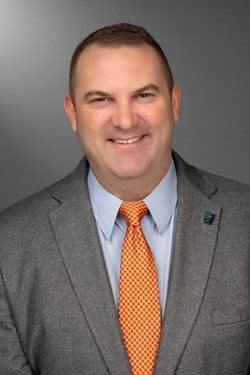
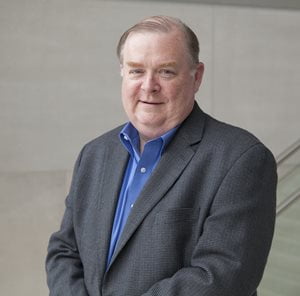
Dr. Peggy Semingson

  • UT System Regents’ Outstanding Teaching Award (2013) [utsystem.edu]
  • USDLA (United States Distance Learning Association) National Award for Excellence in Distance Learning Teaching (2013)
  • [uta.edu], [linkedin.com]
  • UTA President’s Award for Transformative Online Education (2010 and 2019) [linkedin.com]
  • International Literacy Association’s Jerry Johns Outstanding Teacher Educator in Reading Award [Link]
  • Induction into the UT Arlington Academy of Distinguished Teachers (2019) [Link]
    5. Induction into the University of Texas System Academy of Distinguished Teachers. [
    Link]
UTA FACULTY PROFILE

Dr. Pete Smith: Selected Major Teaching Awards

Pete Smith

  • USDLA National Award: Outstanding Leadership in Distance Learning
  • Member, UTA Academy of Distinguished Teachers (recognized in institutional award‑readiness materials)
UTA FACULTY PROFILE

Top Tips for Teaching Awards

From Dr. Pete Smith and Dr. Peggy Semingson

Craft a distinctive narrative that clearly articulates what makes your teaching unique and how your philosophy translates into meaningful student learning.

Avoid common pitfalls such as underestimating the time required, relying on generic statements, or being overly modest about your accomplishments.

View the process as developmental, recognizing that crafting the dossier strengthens both your teaching and your ability to articulate its impact.

Pedagogy Next Episode 7

Talking to Dr. Kevin Schug at UT Arlington about How to Win Teaching Awards

Pedagogy Next Episode 7: How to Win Teaching Awards with Dr. Kevin Schug, Professor and the Shimadzu Distinguished Professor of Analytical Chemistry

Dr. Kevin Schug shares his insights on how to create a compelling application and stand out from the crowd

In this podcast episode of Pedagogy Next, Dr. Kevin Schug, Shimadzu Distinguished Professor of Analytical Chemistry, shares practical advice on applying for and winning teaching awards. Through a storytelling conversation with CRTLE host Dr. Peggy Semingson. Dr. Schug discusses his journey from early college awards to major recognitions including the Regents Outstanding Teaching Award, external disciplinary honors, and a Fulbright Distinguished Scholar appointment focused on teaching. Dr. Schug emphasizes the value of showcasing your strengths, documenting evidence over time, and being confident about the impact of your teaching. He encourages faculty to highlight innovation, gather student feedback, maintain organized teaching artifacts, and pursue external recognitions that demonstrate broader influence. He also notes that teaching awards become more achievable when faculty see themselves as innovators and commit to continuous, incremental improvement.

Awards Won by Dr. Kevin Schug

Kevin Schug

  • UT System Regents’ Outstanding Teaching Award (2014). [Link]
  • UTA College of Science Teaching Excellence Award (2014). Awarded by UTA’s College of Science for outstanding college‑level teaching.
  • J. Calvin Giddings Award for Excellence in Analytical Chemistry Education (2017). A national American Chemical Society award recognizing excellence in teaching analytical chemistry. [Link]
  • Fulbright Distinguished Scholar Award (2023–24). Fulbright–Palacký University Distinguished Scholar appointment, focused on teaching analytical chemistry in the Czech Republic. [Link]
  • Fellow, UT System Academy of Distinguished Teachers (elected 2016) [Link]

Key Quotes from Dr. Kevin Schug

  • “Don’t be afraid to really tout your achievements.”
  • “You can’t win an award if you don’t apply.”
  • “People should experiment in the classroom. Not every experiment succeeds, but you should learn something from it.”
  • “I started a folder on my computer for unsolicited praise. You want to pull back on those later.”
  • “Awards committees want to see what sets you apart. Show me, don’t tell me.”

Top Tips for Winning Teaching Awards

  • Tailor your application to the specific criteria and highlight what makes your teaching distinctive.
  • Document evidence continually. Save student praise, visuals, screenshots, teaching artifacts and outcomes, and examples of impact short term and long term.
  • Incorporate data when possible, such as student outcomes, research involvement, or feedback patterns.
  • Show innovation with concrete examples, visuals, videos, or teaching materials.
  • Seek strong letters by staying connected with colleagues and former students.
  • Engage in scholarly teaching, including presenting at conferences or publishing about teaching.
  • Experiment and iterate. Small, consistent improvements add up and strengthen your narrative.
  • Cultivate visibility and confidence in your teaching accomplishments, internally and externally.

Key Quotes

  • “Show, don’t tell—use visuals, artifacts, and concrete examples to demonstrate your teaching impact.”
  • “Find your niche. What makes your teaching distinct among exceptional educators across the UT System?”
  • “Think beyond the classroom—online, hybrid, community-based, experiential learning all count.”
  • “Document your success continuously. Keep evidence, student comments, and artifacts as you go.”
  • “Strong letters come from colleagues who know your work and can speak passionately about your impact.”
  • “There’s no such thing as the perfect dossier. The process itself sharpens your understanding of who you are as a teacher.”
  • “Use data broadly—student writing, testimonials, outcomes, and achievements all help show impact.”