502 South Cooper St. #335
Box #19089
Arlington, TX 76019
Andrew Ortiz: Art is from the Self
Andrew Ortiz joined UTA Department of Art and Art History in 1997, moving to Arlington from Rochester, NY where he completed his MFA at the Visual Studies Workshop/SUNY College at Brockport. Originally from Pico Rivera in southeastern Los Angeles County, Ortiz started experimenting with computers as an artistic tool in the early 1990s and has since exhibited his work in 43 solo and 183 group shows nationally. This interview combines conversation between Ortiz and UTA Oral Historian Joseph Carpenter and art student Richard Lavoie.
Q&A with Andrew Ortiz
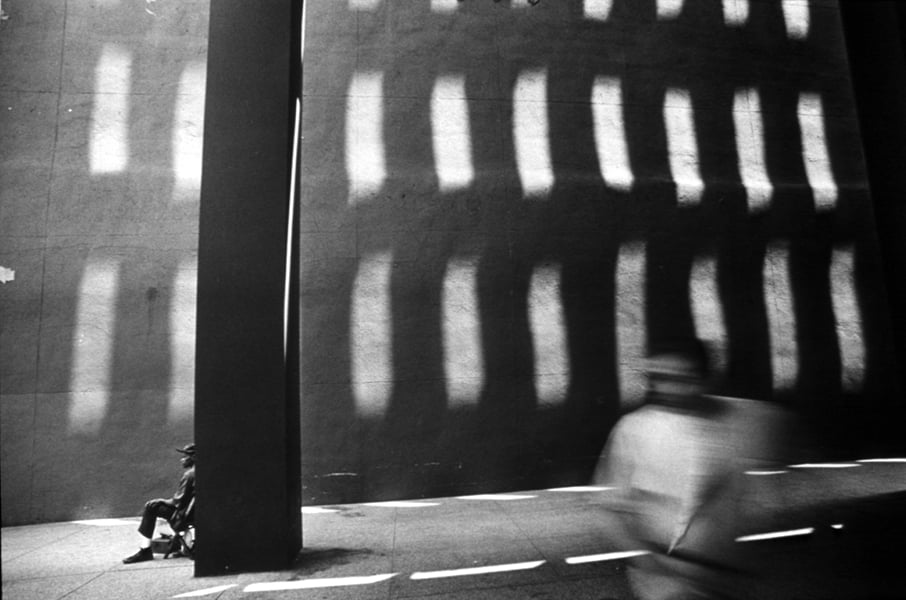
I went to San Francisco State University but dropped out in my third year. I was having problems with my seizures, not going to classes, and eventually my parents didn’t have the money to keep sending me. After I left college, my friend who worked at Otis Art Institute got me a job working at the dark room. There I got back to my photography practice. My friend convinced me to go to Japan with him for a couple of weeks to photograph. I modeled for him a lot there and at home. He was a very good printer, produced very tastefully done images that I used as an example of excellent black and white printing for my early classes. At that time, I was interested in street photography. I was inspired by Garry Winogrand who had barrels full of work - unprocessed film - when he died. He knew how to photograph people on the streets as they ARE, not just what they look like.
At one point, soon after I got married, I went back to school in northern California to complete my BFA and stayed to do an MA in photography. Later on, I decided I wanted to get an MFA so I could teach and ended up in Rochester, New York at the Visual Studies Workshop.
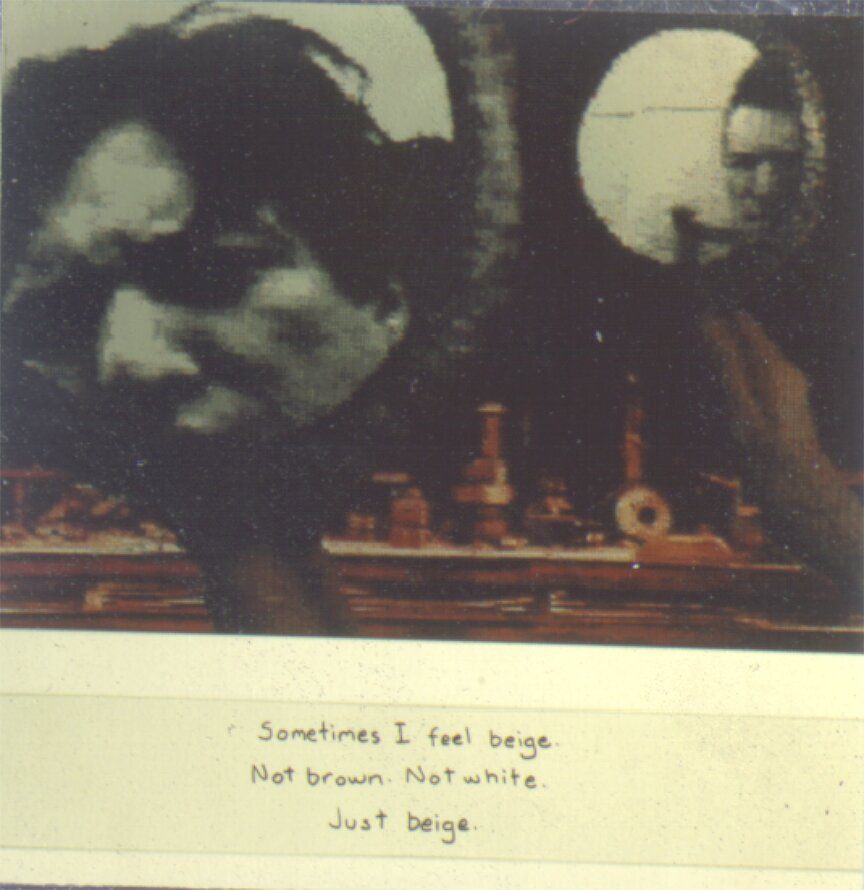
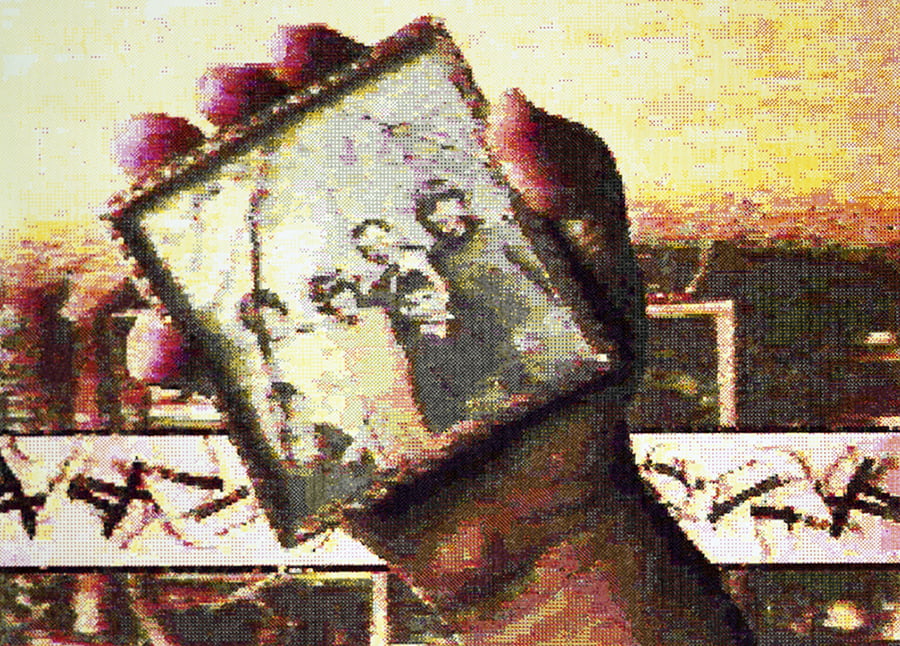
I was diagnosed with epilepsy before going to college. I was about 15 when I had a seizure for the first time – I felt what was happening to me was similar to what you can see in The Exorcist movie. Neurologists still don’t know why my seizures are happening. Eventually my work began to evolve to deal directly with my epilepsy and the imagery had to do with neurons, chromosomes, anything that was affecting and still affects my brain. EEGs -electroencephalograms are the foundation of my recent work. Over time, the imagery has become more abstract, and I look at a lot of painters whose work gives me useful examples to study.
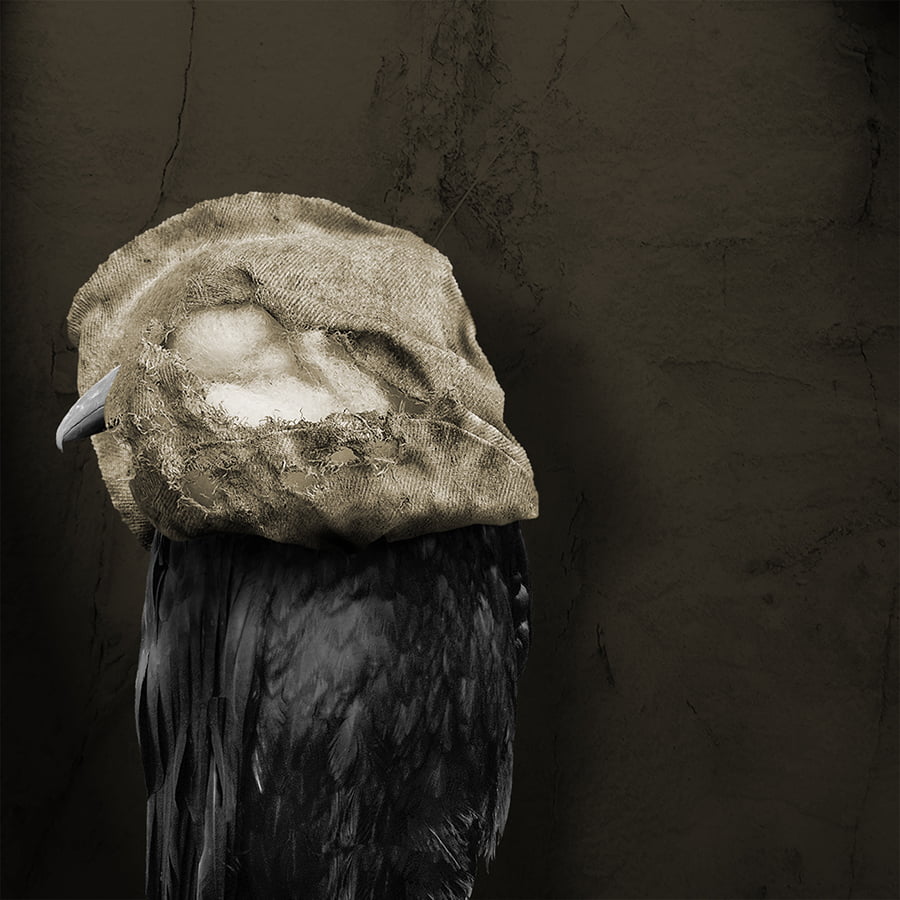
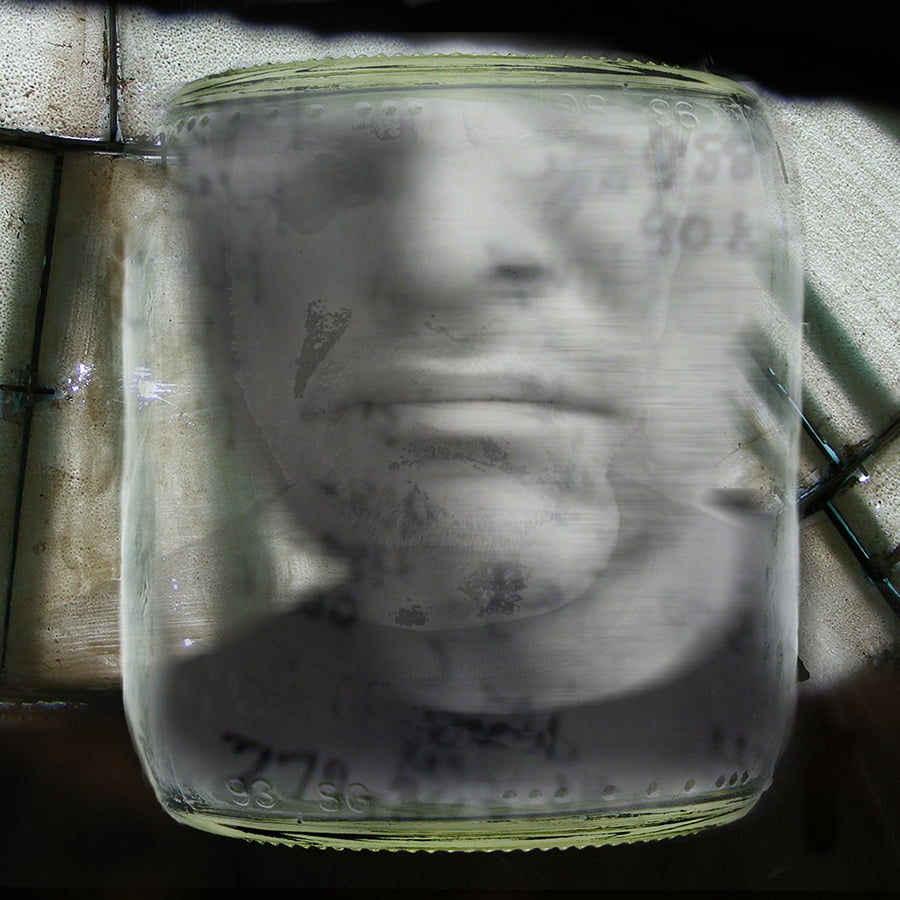
Starting from the series “Measured Disorder” (2010) where I was trying to understand what was happening in my head and the medical interventions I dealt with, my imagery carries a lot of symbolism related to my brain and seizures. An image of a glass jar photographed against a window with light coming through it with scanned numbers and a small piece of chicken symbolically represented a brain tissue sample. (Specimen, 2010) In another series called “Blackbird Speaking” that is about communication difficulties, a work titled Cloud (2008) depicts a cloud on the head of the crow. It is important to me because it is talking about what is going on in my head – a cloud that is inside my head – it represents me. I am building an image like a puzzle, putting together symbolic pieces that form the story I want to tell.
Note: Andrew received notification from the University that he had been awarded Emeritus status in June 2025.
We thank the Department of History and Geography, UTA Voices Unscripted, Joseph Carpenter, Richard Lavoie, Patricia Healy, and Lilia Kudelia for making this material possible.