411 S. Nedderman Drive
Box 19407, Arlington, Texas 76019-0407
P: 817-272-2776 | F: 817-272-5006
Department of Kinesiology
Kinesiology is an academic discipline that focuses on the study of movement and physical activity and its impact on health, society, and quality of life. The Department of Kinesiology is part of the College of Nursing and Health Innovation and furthers UTA's mission to improve health and the human condition as our society moves into the 21st century.
About Our Programs
The Department is comprised of three undergraduate programs, which includes a Bachelor of Science in Exercise Science program with tracks in Clinical & Applied Physiology, Health, Fitness & Wellness, and Motor & Rehabilitation Sciences, a Bachelor of Arts in Kinesiology with tracks in Physical Education Teacher Education and Sport Leadership and Management, and a Bachelor of Science in Public Health. The department also has three master's programs – a Master of Science in Exercise Science, a Master of Science in Athletic Training, and Master of Public Health, as well as a Ph.D. in Kinesiology.
The Department of Kinesiology is an active member of the American Kinesiology Association (AKA).

CONHI’s PhD program in Kinesiology is ranked as number 2 in the country when adjusted for faculty size and as number 16 when unadjusted.*

Academic Program Locations
These are the locations where Kinesiology programs are administratively located.
- Exercise Science, Undergraduate and Graduate - Kinesiology Main Office
- PhD Kinesiology - Kinesiology Main Office
- Athletic Training - Physical Education Building 112, ph: 817-272-6735
- Physical Education and Teacher Education, Physical Education Building 112, ph: 817-272-6735
- Sports Leadership and Management - Physical Education Building 112, ph: 817-272-6735
- Public Health - Maverick Activities Center, 111, ph: 817-272-3186
Undergraduate Programs
Campus-based:
- BS Exercise Sci. - Clinical and Applied Physiology
- BS Exercise Sci. - Health, Fitness, and Wellness
- BS Exercise Sci. - Motor & Rehabilitation Sciences
- Bachelor of Science in Public Health
- BA Kinesiology - Physical Education Teacher Education (PETE)
- BA Kinesiology - Sports Leadership and Management (SLAM)
Accelerated Online:
Community Programs
The Department of Kinesiology offers several community programs.
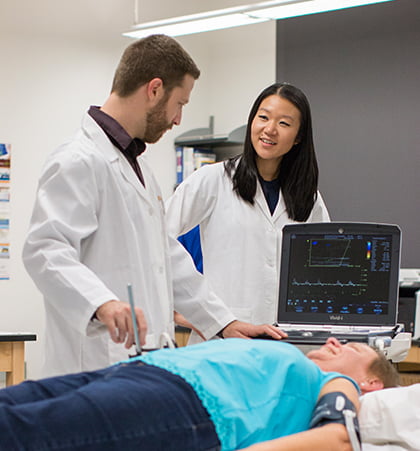
Research Labs
The Department of Kinesiology is proud of its long tradition of scientific inquiry and research as embodied by our research laboratories. In these spaces science meets application and the results improve health for the people of North Texas, our nation, and the world.
Contact Us
Main Office, Department of Kinesiology
Box 19259
500 W. Nedderman Dr.
147 Maverick Activities Center
Arlington, TX 76019-0259
Phone: 817-272-3288
Fax: 817-272-3233
kinesiology@uta.edu